

The relocation of a professional sports team invariably transforms a city, but sometimes it also leaves an indelible mark on its physical landscape. In Las Vegas, a towering construction wall now commands attention along Tropicana Avenue and Las Vegas Boulevard, signaling the future home of the Oakland Athletics. Yet this concrete barrier is evolving into something more than just an eyesore.
Reporting via fox5vegas.com reviewjournal.com.
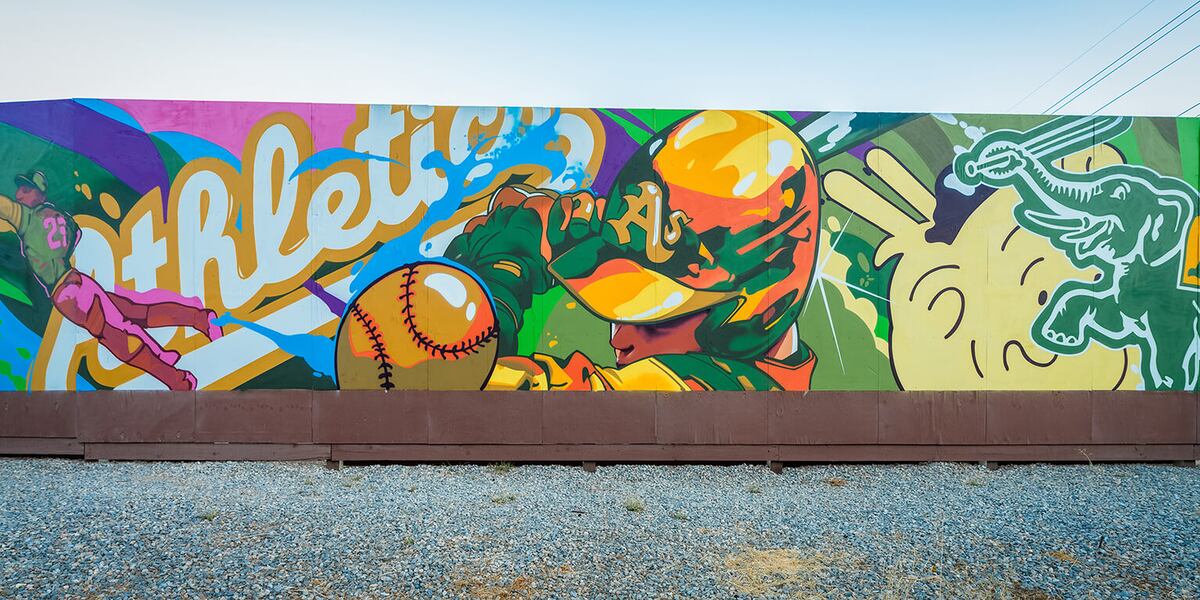
This isn't about temporary banners or corporate branding; it's about local artists breathing life into the city's infrastructure. The Athletics are commissioning local artists to turn the construction site into a vibrant public art space, starting with a mural by Brett Rosepiler. This initiative is not merely marketing but a calculated effort to soften the impact of their large-scale project and introduce themselves to the community through meaningful cultural engagement.
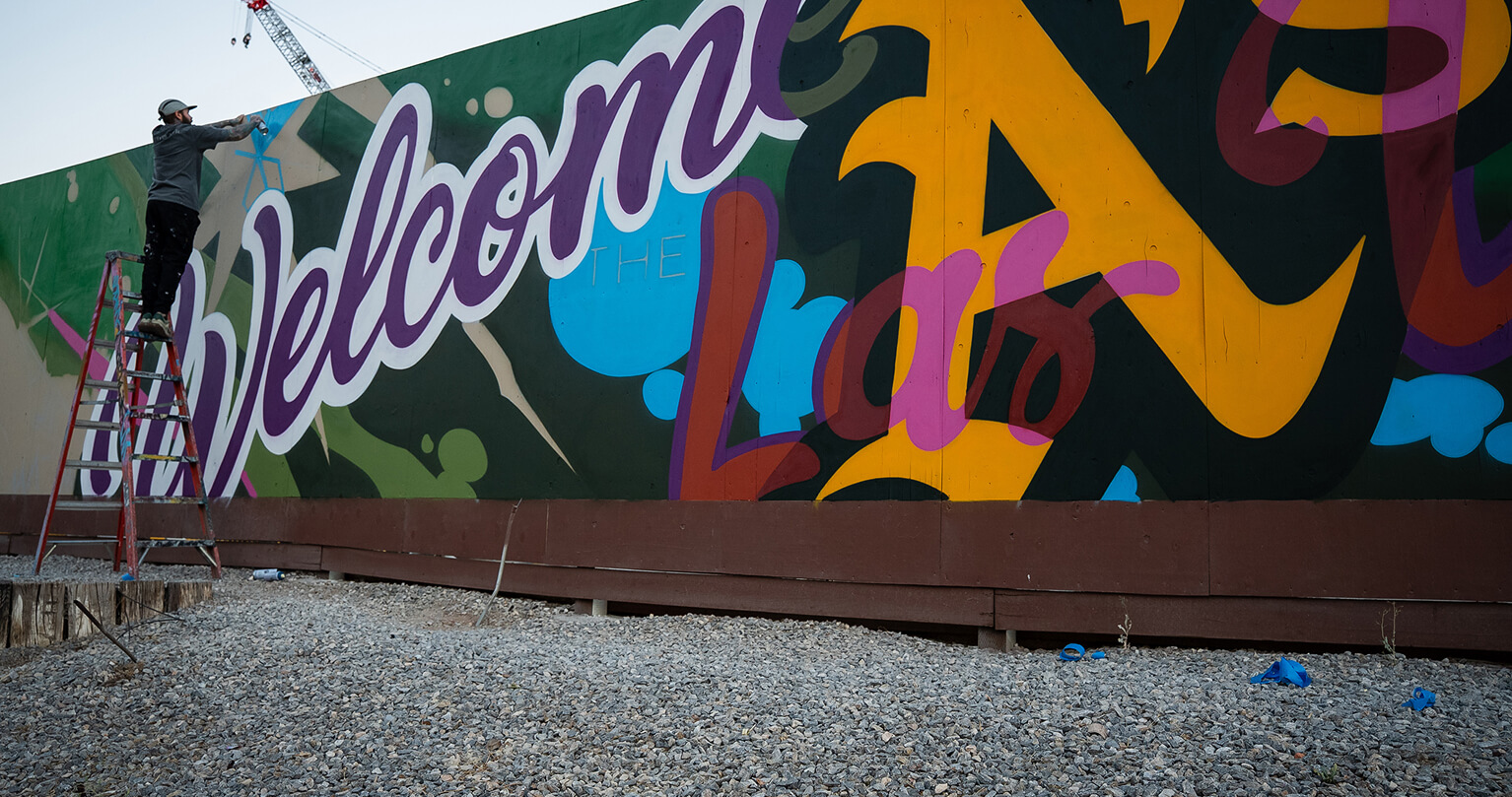
Brett Rosepiler: A Local Voice
Rosepiler isn't just another artist in Las Vegas; he's an integral part of its creative underground. As a muralist and tattoo artist, his work combines realistic elements with bold graphic design, creating pieces that demand attention on large scales. The Athletics' choice to feature Rosepiler demonstrates their understanding of the local art scene, they want to integrate, not just impose.
His reputation in the community is solidified by his extensive portfolio across Southern Nevada, including a project completed over nine days, showcasing dedication and skill. His mural at Tropicana Avenue will likely serve as an emblem for an entire generation of Las Vegas creatives, bridging art and community in a unique way.
The Construction Wall as Canvas
The location itself, a massive construction wall marking the future ballpark site, is significant. It's usually ignored but now stands out as a focal point amidst the constant bustle of Las Vegas Boulevard. This changes perceptions; instead of being seen as an obstruction, this wall becomes a portal to visual engagement.
These murals are not temporary displays meant to fade with stadium completion. They're intended to endure for over a year and a half, offering ongoing visual engagement for both residents and visitors. By doing so, the Athletics are establishing a tangible connection with Las Vegas beyond just erecting a stadium.
A Community Investment
Involving local artists reflects an understanding of community buy-in when relocating a major sports franchise. This isn't mere public relations; it's a direct investment in Southern Nevada's cultural fabric. The Athletics are building goodwill and demonstrating commitment beyond just construction, acknowledging the value of existing artistic infrastructure.
This approach contrasts with conventional strategies that might involve importing outside talent or generic branding campaigns. By prioritizing local artists like Rosepiler, they recognize and support the city's creative identity, fostering a sense of belonging and pride among residents.
The Scale of the Project
Consider the scale: the construction site spans nine acres, primed for visual impact. The stadium will eventually hold 33,000 fans, requiring significant community integration. Using art as a bridge is a strategic move, fostering engagement and understanding.
This mural project is part of a larger $2 billion investment scheduled to be completed by Feb. 29, 2028. This budget underscores the magnitude of the undertaking and the team's willingness to allocate resources toward more than just physical construction. The selection of Rosepiler signals a deliberate intention to incorporate local artistry into this monumental project.
A Timeline of Arrival
The relocation process has been unfolding for years, with Major League Baseball approval in 2023 and groundbreaking in June 2025. Now, murals signal tangible progress toward the ultimate goal: a new home in Las Vegas. Each step brings the Athletics closer to their destination.
This mural project marks a shift from planning to visible manifestation. The artwork serves as an introduction for the team, promising professional baseball and community engagement with local artistic identity. It's a visual declaration of intent, highlighting the team's commitment to becoming part of Las Vegas's cultural landscape.
Beyond Rosepiler
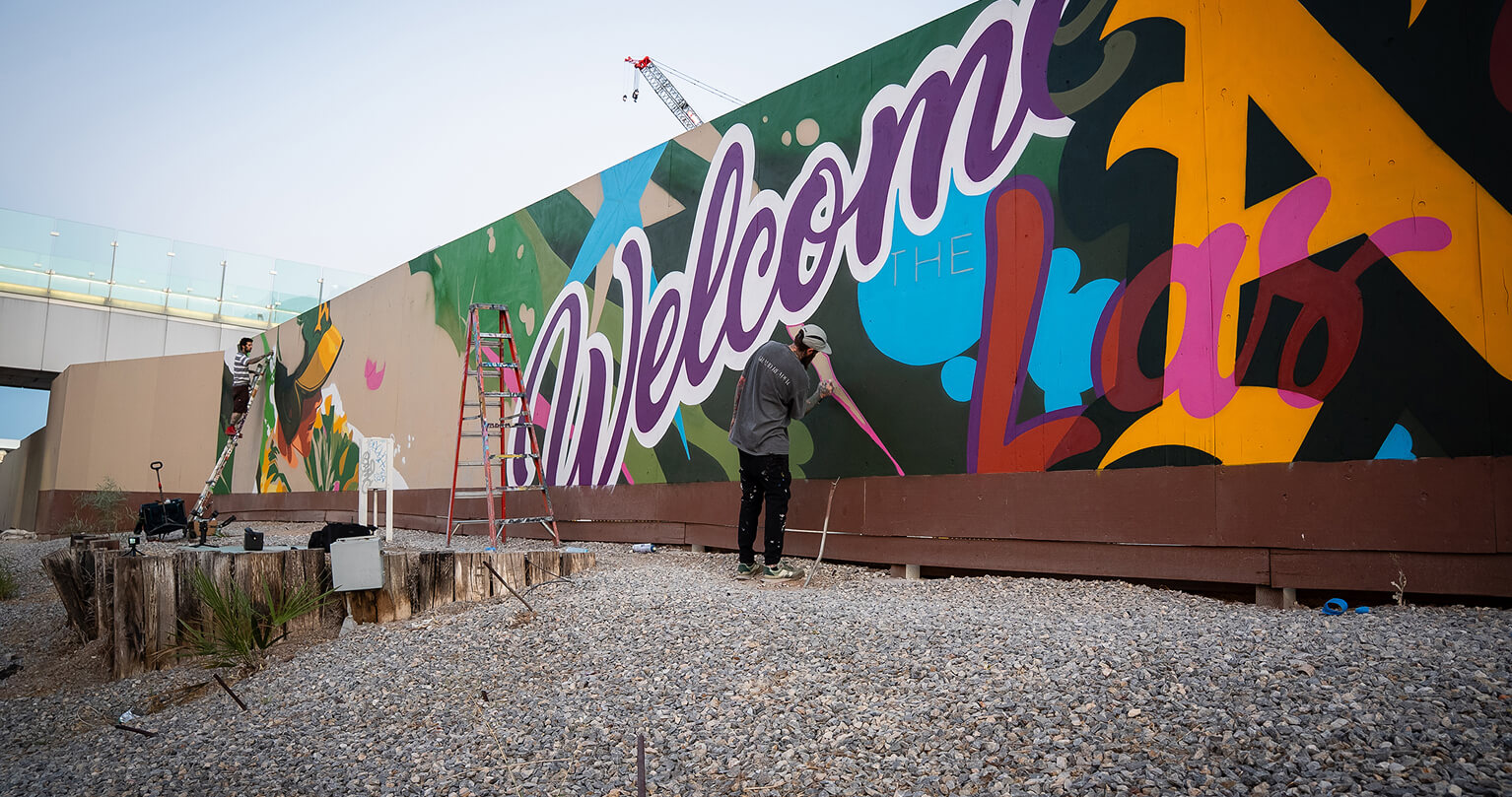
Rosepiler's mural is just the beginning; the Athletics plan to commission additional Las Vegas artists over the next year and a half. This extended program suggests long-term community engagement, with each artist contributing unique visions that collectively represent diverse perspectives on the team's arrival in Southern Nevada.
The diversity of voices promised by future murals will ensure this project resonates widely. Each artist will shape what it means for the Athletics to become part of Las Vegas's identity, providing a platform for local artists and connecting them with broader audiences. As Mick Akers reports, this initiative aims to elevate local artistry.
The Future of the Site
While these murals offer immediate visual appeal, their long-term fate remains uncertain. Will they be preserved once the stadium is complete? Or will they vanish as quickly as the construction wall itself?
Regardless, their initial appearance signals a potentially transformative shift in how major developments interact with local communities and art scenes. The arrival of the Athletics isn't just about baseball; it's about reshaping Las Vegas one mural at a time.


0 comments