

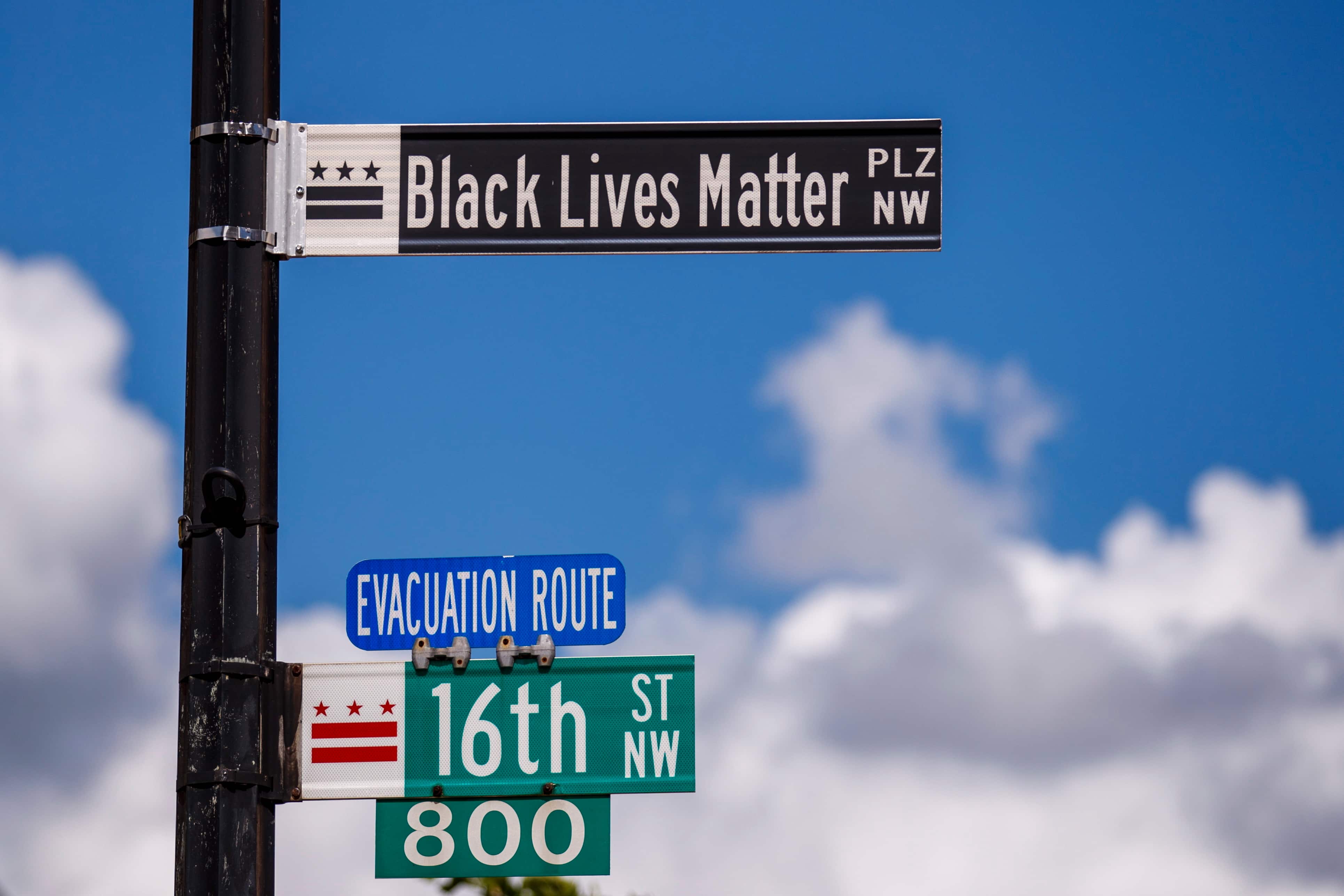
The space between symbols and reality can be a brutal one. Washington DC's recent renaming of a stretch of 16th Street to 'Black Lives Matter Plaza', accompanied by a large yellow mural, is an example of that tension.
Reporting via sbs.com.au artforum.com.

It appears as a straightforward act of solidarity, but the context swirling around it complicates any easy reading. The very public nature of this action underscores the fraught relationship between municipal power and street-level activism. It's more than just paint on asphalt; it's a deliberate confrontation with authority, echoing years of protest and struggle.
The Mural: A Statement in Scale
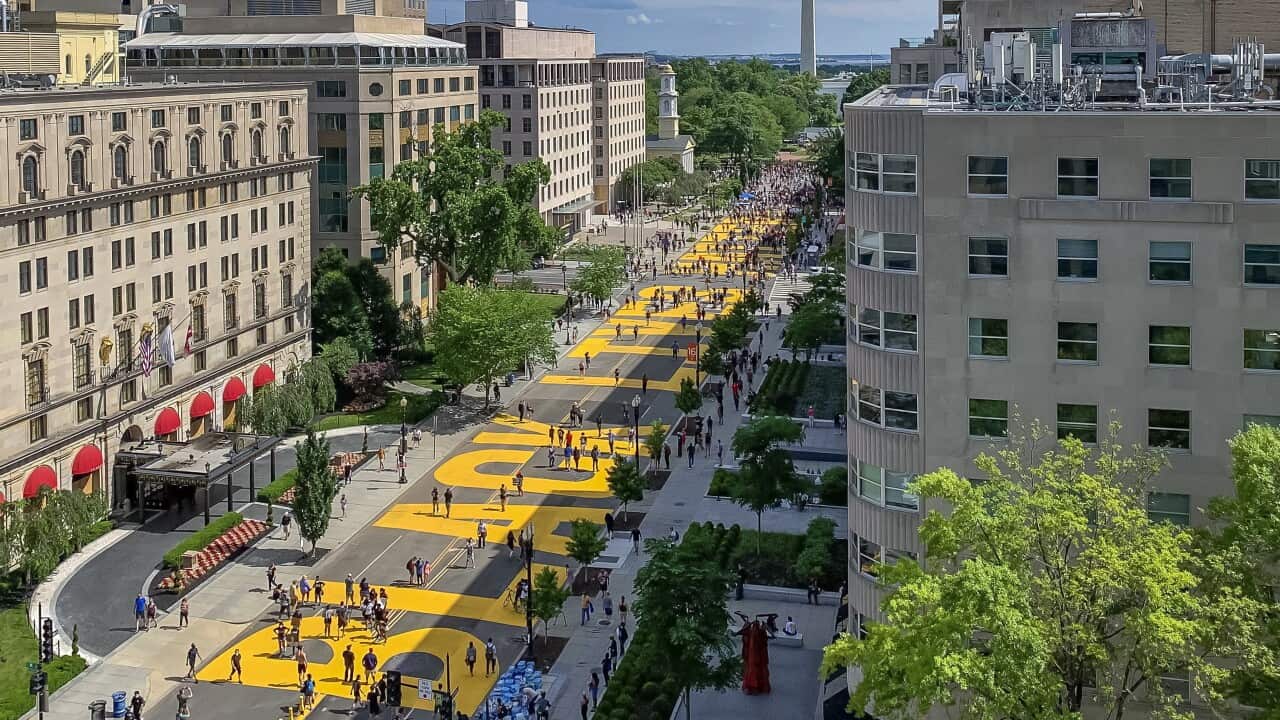
The mural itself is imposing. The 'Black Lives Matter' phrase stretches across two blocks leading directly to the White House, each letter measuring thirty feet long. Its sheer scale demands attention; it cannot be ignored by those passing by or those observing from afar. This visual dominance isn't accidental, it's a deliberate tactic to force recognition and discussion.
Street art often uses size and placement to amplify its message, and this mural follows that tradition. Consider the context of Washington DC itself: a city synonymous with power and political maneuvering. Placing such a bold statement so close to the seat of executive authority is inherently provocative. The letters' yellow hue further contributes to their visual impact, cutting through the grey urban landscape.
The group who painted it, men, women, people of different races and ages some wearing roller blades or work boots, added another layer to the mural's meaning. This wasn't a professional art collective; it was a community effort, reflecting the decentralized nature of the Black Lives Matter movement itself.
The Renaming: A Political Gambit
Renaming 16th Street to 'Black Lives Matter Plaza' is more than just symbolic gesture. It represents a formal recognition, however partial, by city government of the movement's concerns and demands. This act directly responds to President Trump's decision to deploy federal law enforcement agencies and military police to quell protests near the White House.
Mayor Bowser initially wrote to President Trump asking him to withdraw those forces, citing peaceful demonstrations as evidence of responsible protest. The renaming and mural can be seen as a follow-up, an assertion of local control in the face of perceived federal overreach. It signals defiance, albeit carefully calibrated.
The placement near St John's Episcopal Church, where Trump posed with a Bible, adds another layer of irony to the decision. The visual juxtaposition highlights the disconnect between his actions and the stated values of religious symbolism. This intentional positioning intensifies the political statement.
Criticism From Within
While the mural and renaming have been met with widespread praise, they haven't been universally embraced. The D.C. Chapter of Black Lives Matter has criticized Mayor Bowser's actions, calling it a "performative distraction" from the real work of policy change and defunding the police. This internal critique is crucial.
It points to a deep skepticism about whether symbolic gestures can truly translate into meaningful systemic reform. For many activists, visibility isn't enough; it must be accompanied by concrete action, policy changes that address racial inequality and dismantle discriminatory practices within law enforcement.
The group also notes Bowser's history of ignoring their demands and places her on the wrong side of BLMDC history. This highlights a larger issue within social movements: the potential for co-optation by those in power, who may selectively embrace certain aspects of a movement while resisting more fundamental changes.
Trump's Response: A Familiar Pattern
President Trump's reaction, calling Mayor Bowser "incompetent" and accusing her of seeking federal handouts , was predictable. It exemplified his consistent pattern of dismissing criticism and attacking those who challenge his authority.
His response underscores the deep political divisions surrounding the Black Lives Matter movement, particularly within the current administration. It also demonstrates a willingness to use inflammatory language to discredit opponents and deflect attention from underlying issues. This rhetoric further polarizes an already tense situation.
Beyond Symbols: The Need for Action
The 'Black Lives Matter Plaza' mural and street renaming represent a moment of symbolic significance in Washington DC. It's a visible declaration of solidarity, a challenge to power, and a reminder of the ongoing struggle for racial justice. However, it is imperative that this visibility translate into tangible change.
The criticisms from within the Black Lives Matter movement serve as a crucial caution against complacency. Symbolic actions alone are insufficient; they must be accompanied by concrete policy reforms and systemic changes to address the root causes of racial inequality.
Mayor Bowser stated that the mural symbolizes solidarity with the Black Lives Matter movement and sends a message to the American people about recognizing black humanity. The true measure of its success will not be in how it looks, but in whether it leads to meaningful action.
The Future of Public Space
This event highlights the growing importance of public space as a site for political expression and social commentary. Street art and urban interventions have always served as powerful tools for challenging authority and raising awareness about important issues, and this situation is no exception.

The quick response to Trump's actions, painting the mural and renaming the street, demonstrates the ability of citizens to reclaim public space and use it to assert their demands. It also underscores the power of art to transform ordinary urban environments into spaces for protest and dialogue. The long-term impact remains to be seen, but one thing is clear: this act has irrevocably altered the landscape of Washington DC.
0 comments