

Downtown Brooklyn turned 21 street crossings into one flower. Nobody drove a machine through to paint it. One woman did it by hand.
Twenty-one crossings, one composition
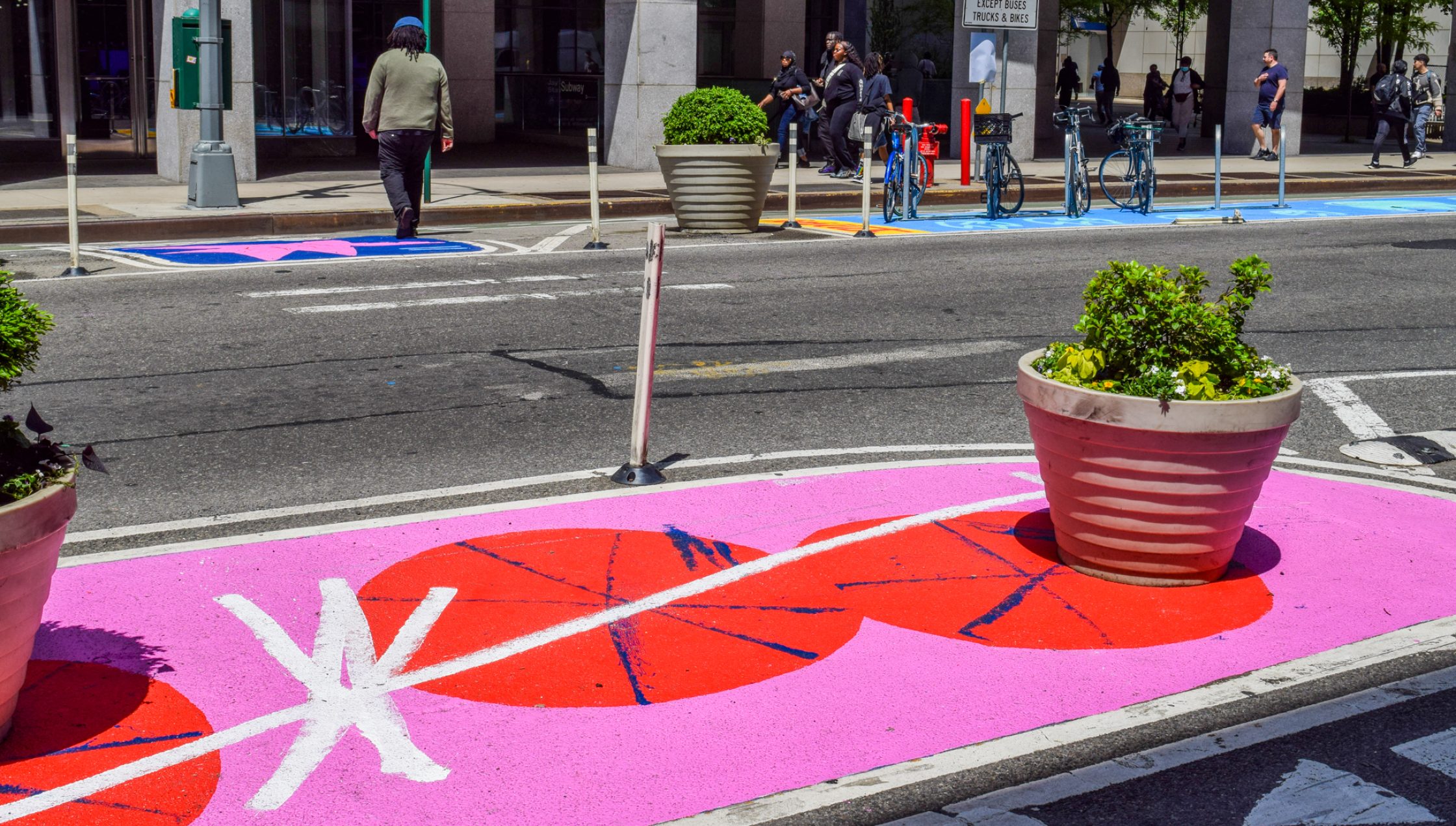
The project is called Brooklyn Blossoms, unveiled this summer by the Downtown Brooklyn Partnership and the New York City Department of Transportation, according to the Downtown Brooklyn Partnership. The installation spans 21 painted spaces across the neighborhood's Shared Streets network: oversized flowers, birds, and abstract organic shapes in bright color against dark ground.
Rather than paint one giant mural and call it finished, artist Carla Torres broke the composition into interconnected fragments. Walk one block and you get a petal. Walk the next and you get a wing. Time Out New York described the effect as turning the neighborhood's sidewalks into a giant public art gallery, one you only see whole by moving through it on foot.
Who painted it
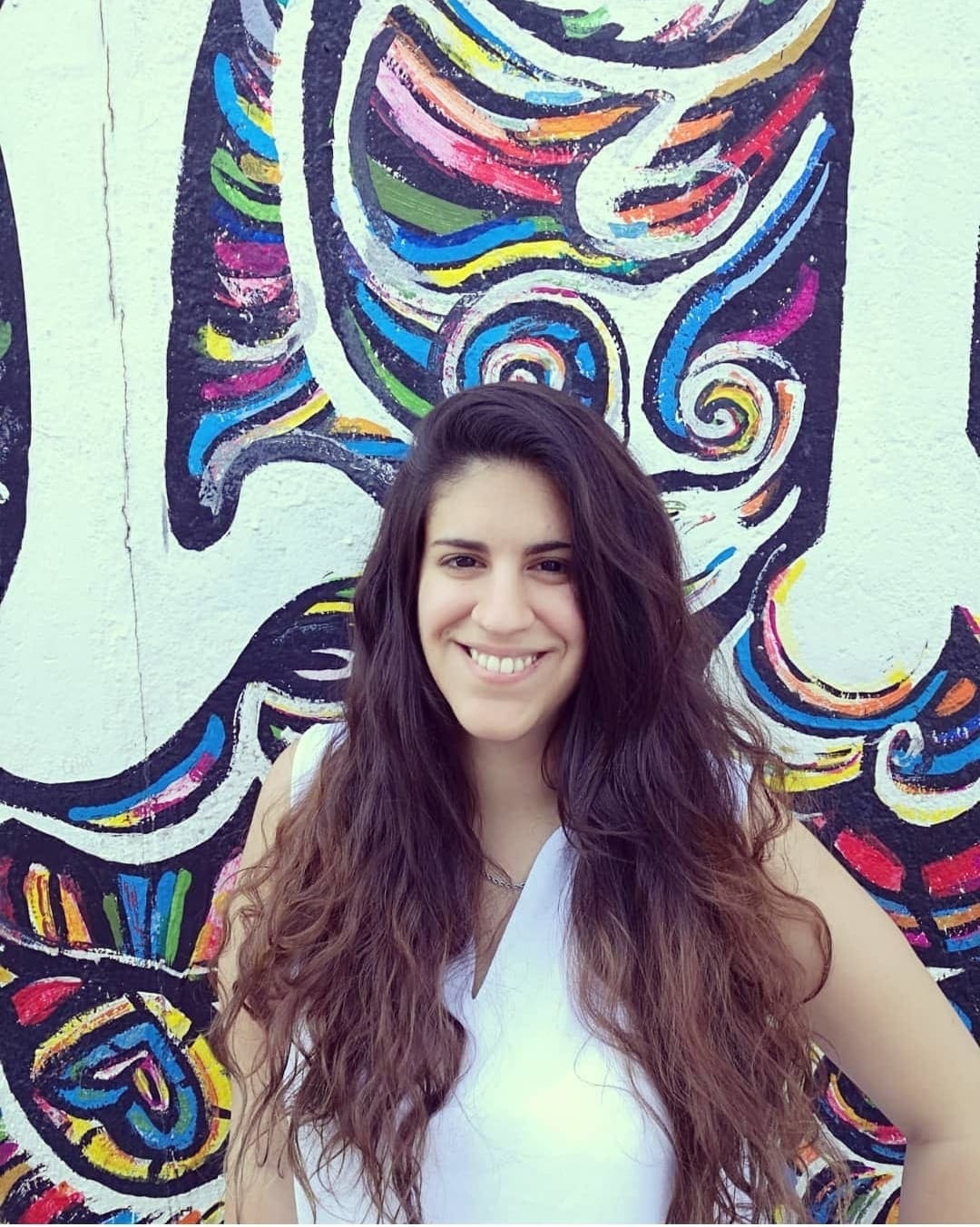
Torres is a New York-based visual artist working across drawing, painting, illustration, animation, and murals. She was born in Ecuador and relocated to New York City in 2006, according to her own artist biography. Brooklyn Blossoms is the kind of commission that used to go to whoever a city hired to paint a wall. Increasingly, districts are handing that job to a single artist with a specific visual voice and letting her run an entire neighborhood instead of one surface.
BKReader covered the unveiling as a neighborhood event, not a paint job that happened to residents. That framing matters. A single mural asks you to stop and look at it. Twenty-one connected fragments ask you to keep walking and keep noticing.
Streets built for people, not just cars
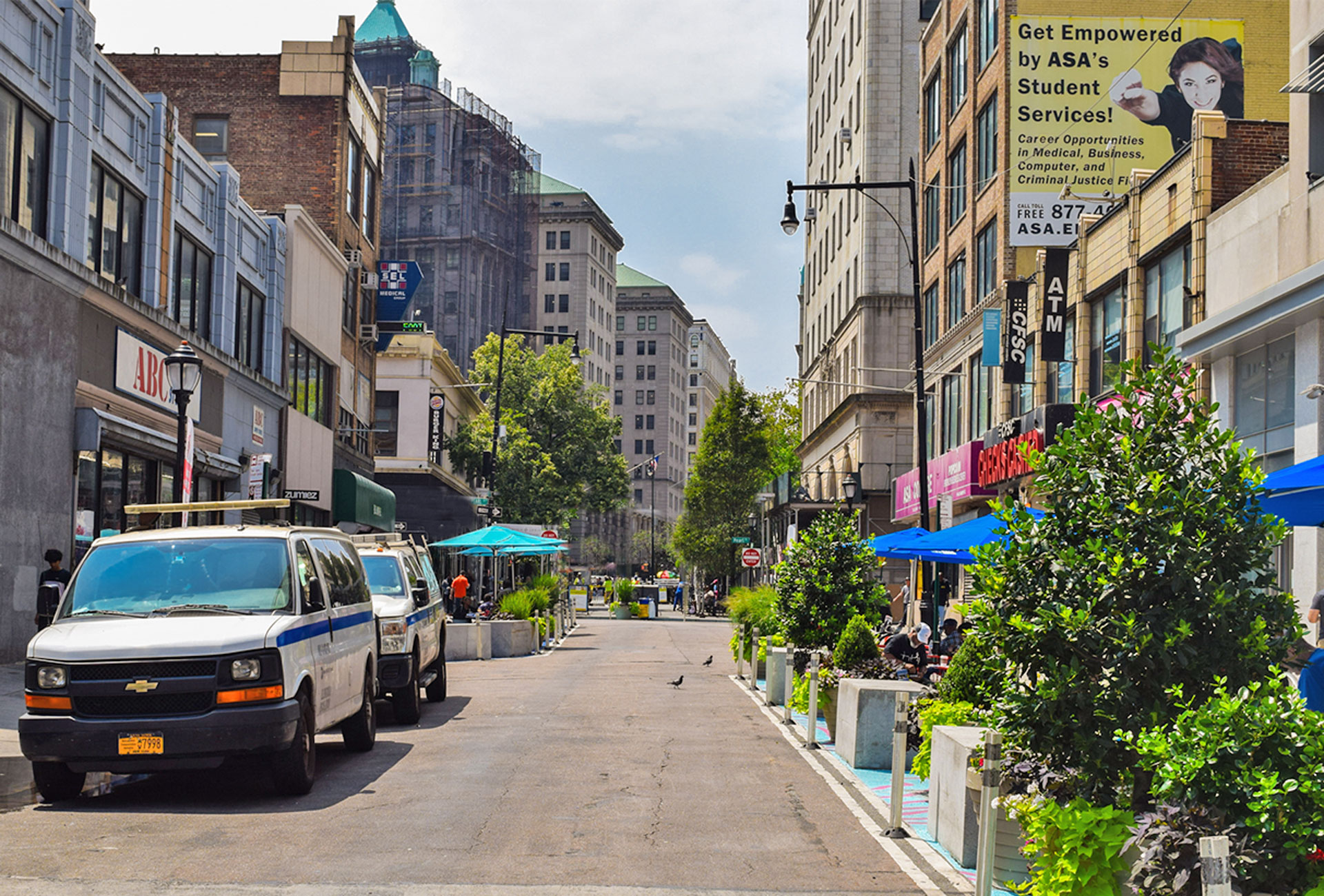
The paint is doing more than decorating pavement. The Downtown Brooklyn Partnership says the project is meant to enliven the public realm, visually connect the area's core streets, and increase pedestrian safety by making Shared Streets zones easy to read at a glance. A driver who sees a plain gray intersection treats it like a through street. A driver who sees a field of oversized flowers slows down, because the paint itself signals that pedestrians own this stretch of pavement.
Brooklyn Paper covered the rollout as part of a broader shift in how the neighborhood treats its own streets, brightening them up in time for summer foot traffic rather than waiting for a scheduled repaving cycle.
Five years of turning asphalt into canvas
Brooklyn Blossoms marks the fifth consecutive year the Downtown Brooklyn Partnership and the city's Department of Transportation have collaborated on asphalt art within the Shared Streets program. That is not a one-off activation for a slow news week. It is a standing line item, a neighborhood that keeps choosing to repaint its own streets instead of leaving them gray.
Stencil work and hand-painted murals get most of the attention in this genre, spray cans and rollers working vertical walls. Asphalt art asks a different question: what happens when the canvas is horizontal, gets walked on, rained on, and driven over every single day, and the city commits to repainting it anyway. Anyone running a laser table knows the appeal of a design that survives repeated wear without losing its edges, which is part of why more public-art programs are leaning on precisely cut stencils rather than freehand work for repeat installations; stencil hobbyists chasing that same repeatable-edge quality at home can find hundreds of cut-ready patterns in the Stencil Library. Downtown Brooklyn's answer, five years running, is that repainting the street is worth doing again.
Related reading from TasteBueno
- York Asked 1,100 Residents What They Wanted on Their Walls. The Answer Was Magpies, a Wolf, and an Otter.
- A Reservation Youth Center Turned a Graffiti Jam Into 125 Murals. This Week Eleven More Artists Show Up in Eagle Butte.
- Wynwood Walls Declared War on AI This Season. It Gave the Biggest Wall to a Former Sushi Chef.


0 comments