

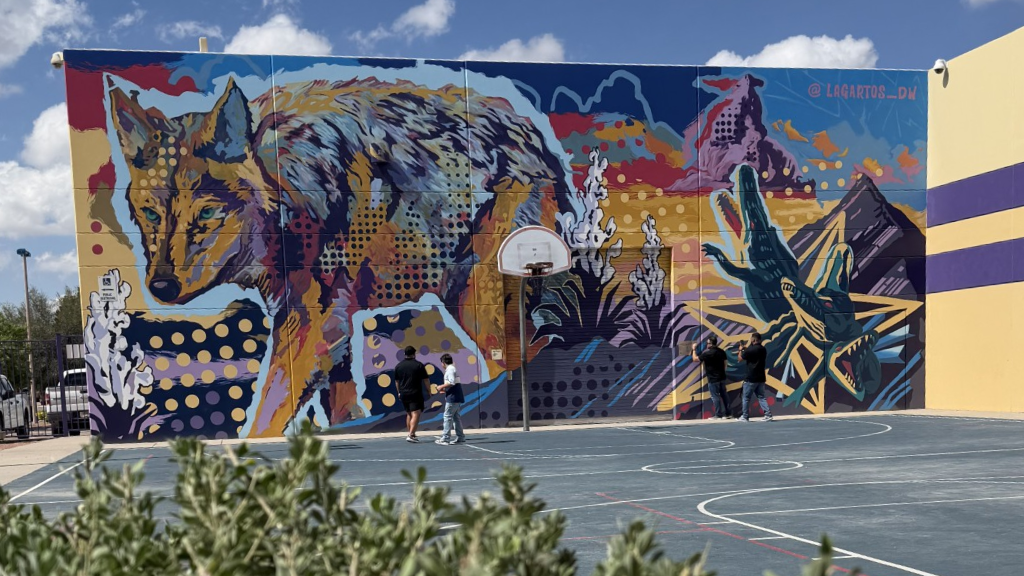
A mural's arrival sometimes feels like a punctuation mark, a full stop on an ongoing conversation, or perhaps the beginning of a new one. This latest addition to El Paso's landscape isn't just another piece; it's a milestone. The city is formally acknowledging its 100th public art project with 'Guardians of the Southwest,' a mural positioned in East El Paso.
Reporting via yahoo.com kvia.com.
This event isn't merely ceremonial. It represents sustained commitment to integrating artistic expression into the urban fabric, a recognition that art shapes experience and builds community. A grand opening is planned for Wednesday, July 22 at the Marty Robbins Recreation Center, marking a moment of collective pride and offering an opportunity to reflect on the program's evolution over the years.
The Scale of Commitment
The Public Art Program began in 2006. Over that time, it has steadily commissioned and preserved diverse works of art across El Paso as reported, embedding them within community infrastructure and even private development. Reaching 100 projects is a significant marker of this long-term strategy; it indicates an ongoing belief in the power of public art to enrich daily life. It moves beyond fleeting interventions and establishes something more like a permanent cultural infrastructure.
The value here isn't just aesthetic, it's about creating space for reflection and dialogue. Public art acts as a visual conversation starter, often sparking unexpected connections between residents. To reach this milestone demonstrates that El Paso sees its public spaces not simply as transportation corridors but as sites of cultural engagement and civic identity.
Lagartos Doodle Works: Local Hands at Work
'Guardians of the Southwest' was brought to life by Lagartos Doodle Works, LLC. The team consists of Ivan Ortega, Miguel Picos, and Julian Vidales, all local muralists who also serve as high school teachers according to reports. This speaks to a commitment to cultivating artistic talent within the city, nurturing younger generations of creators.
The involvement of educators is particularly important; it shows how art isn't confined to galleries or studios but actively integrated into educational institutions and community life. These artists are not just producing murals; they're also shaping the future creative workforce in El Paso. Their role as teachers demonstrates an investment in passing on artistic skills and fostering appreciation for public art within the student body.
Iconography of Place
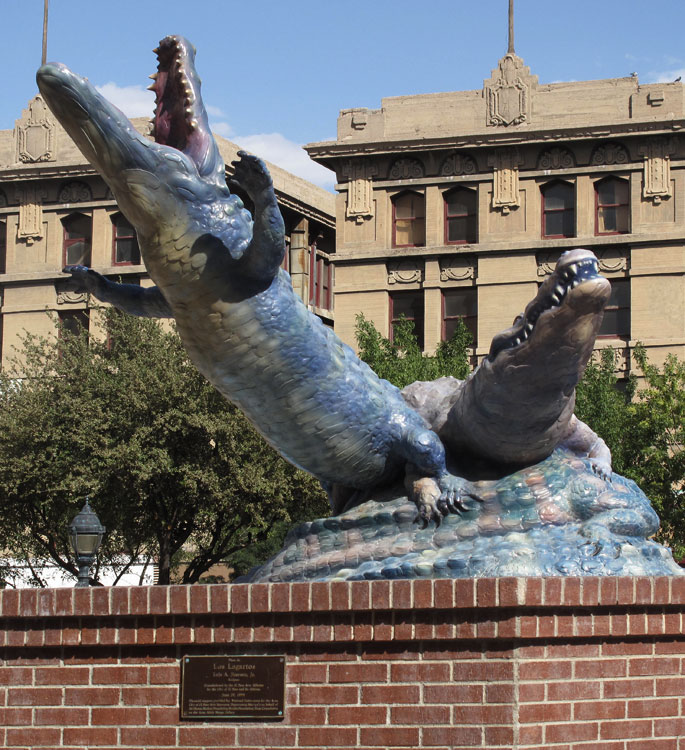
The mural's imagery is deeply rooted in El Paso's identity. It features the endangered Mexican gray wolf, a potent symbol of both ecological fragility and regional resilience. Alongside this are recognizable landmarks: Los Lagartos by Luis Jiménez and the Franklin Mountains Star as stated. The intentional inclusion of these references creates a sense of continuity and shared heritage.
Referencing existing artworks, like Los Lagartos by Jiménez, is interesting. It establishes a lineage, a visual conversation across generations of artists. The Franklin Mountains Star similarly anchors the mural in El Paso's geography and cultural memory. This layering of imagery creates complexity and invites viewers to consider their place within this history.
Binational Context
El Paso's identity is inextricably linked to Ciudad Juarez, a reality frequently reflected in its street art scene according to sources. The border straddles two nations, creating an environment where cultural exchange is constant and artistic expressions often blur boundaries.
Public art provides a powerful means of bridging this divide, a visual language that transcends linguistic barriers. While the specific themes of 'Guardians of the Southwest' may be focused on El Paso's unique ecology and landmarks, the mural also serves as an implicit acknowledgment of its shared history and interconnectedness with Ciudad Juarez. This connection highlights the importance of cross-border collaboration in shaping artistic narratives.
The Significance of Stencil Work
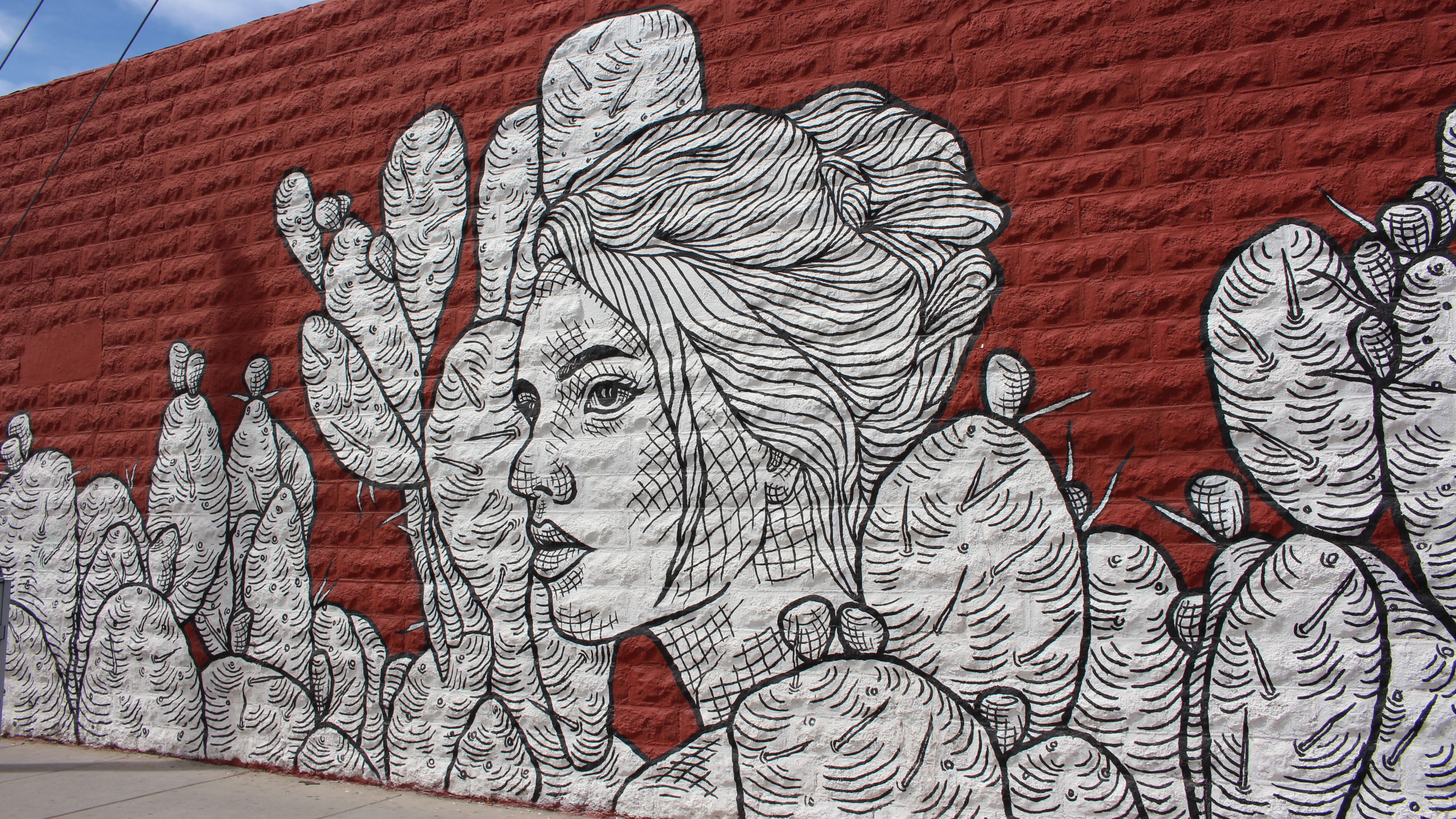
While this project is a full-scale mural rather than stencil work specifically, it's important to consider how that culture informs El Paso's overall street art environment. Stencil art often thrives on accessibility and directness; its DIY ethos resonates with communities seeking alternatives to traditional artistic institutions as confirmed.
The mural demonstrates a similar intention, to bring art directly to the people, bypassing conventional gatekeepers. The choice of East El Paso as the location for this project further reinforces that commitment; it's an area often overlooked by mainstream cultural initiatives. Public murals are more than just decoration; they're statements about civic investment and community empowerment.
Looking Ahead
The unveiling of 'Guardians of the Southwest' isn't just a celebration of the past, but also an affirmation of the future. The Public Art Program's ongoing commitment to commissioning new works signals that El Paso continues to prioritize artistic expression as a vital component of its urban identity.
This 100th project marks a threshold, a point where years of effort have yielded tangible results. It provides a foundation for even more ambitious initiatives and underscores the potential of public art to transform communities, spark dialogue, and enrich lives. The next few projects will be closely watched.

0 comments