

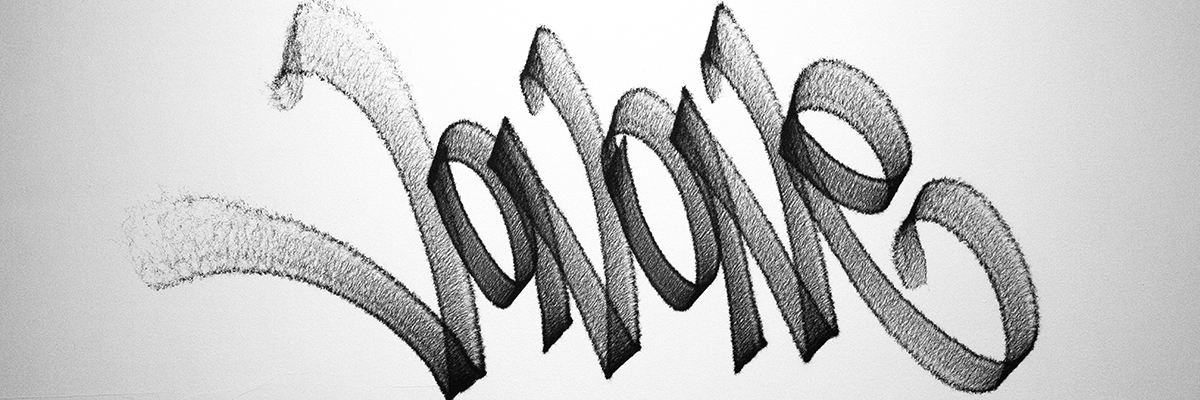
The lines between art and crime blur, a familiar point of contention in the street art world, but this case feels particularly sharp. Angel Ortiz, known as Laroc, faced arrest for tagging in downtown Manhattan during March, a series of incidents that culminated in a court appearance and jail time.
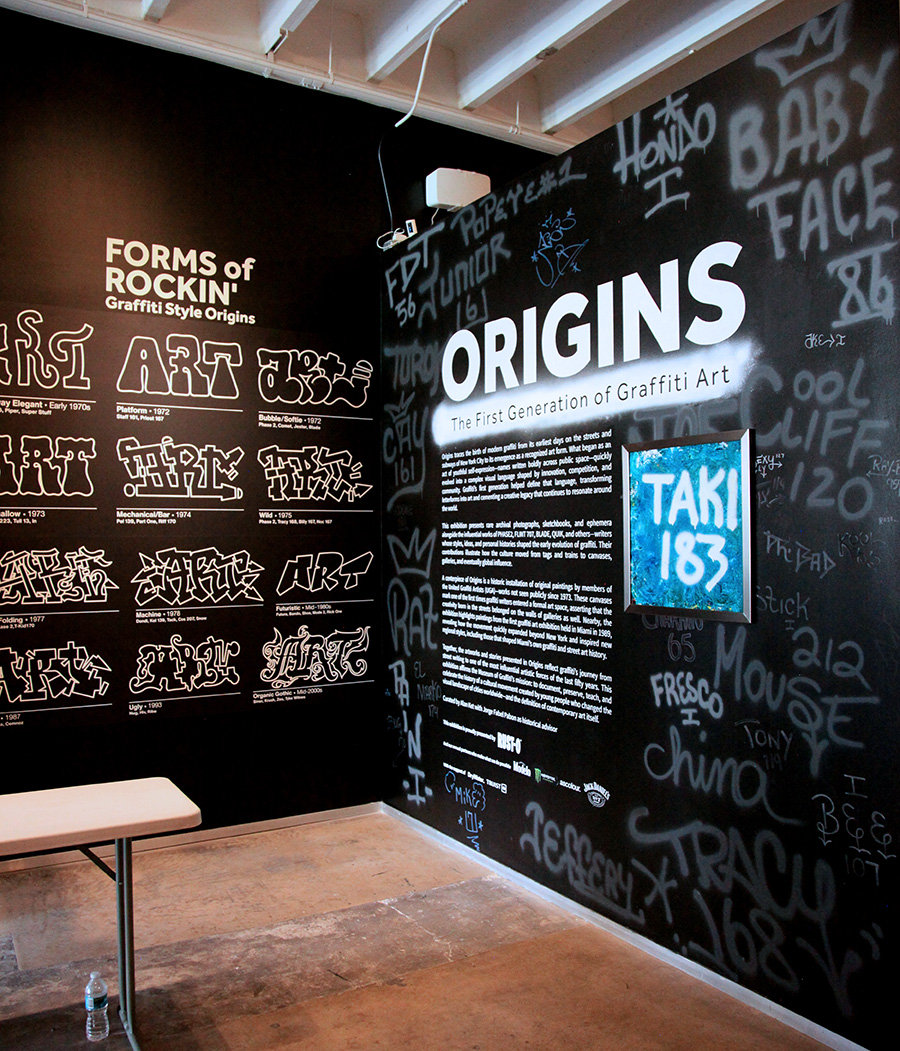
It's jarring to consider someone simultaneously incarcerated and celebrated within the contemporary art establishment. The reality is that Ortiz's tag, once an act of defiance against urban order, now hangs alongside Jean-Michel Basquiat and Keith Haring at MOCA in Los Angeles, a museum explicitly positioning street artists within art history as Jeffrey Deitch described.
The Arrest and the Sentence
Ortiz's March arrests involved spray-painting his tag 'Laroc' on walls and buildings in downtown Manhattan. This wasn't a first offense, but it did result in a guilty plea to criminal mischief in the fourth degree; he received a sentence of 45 days imprisonment for these acts. The punishment is standard fare for this type of infraction, reflecting how legal systems typically treat unauthorized markings on public and private property.
The legality around street art has always been complex, oscillating between expressions of creativity and violations of law. Laroc's case epitomizes that tension perfectly; his actions are criminal, yet the recognition he's received places him in a space where artists are examined for their cultural impact rather than simply penalized. It highlights how society sometimes validates forms of expression it simultaneously condemns.
Laroc and the MOCA Exhibition
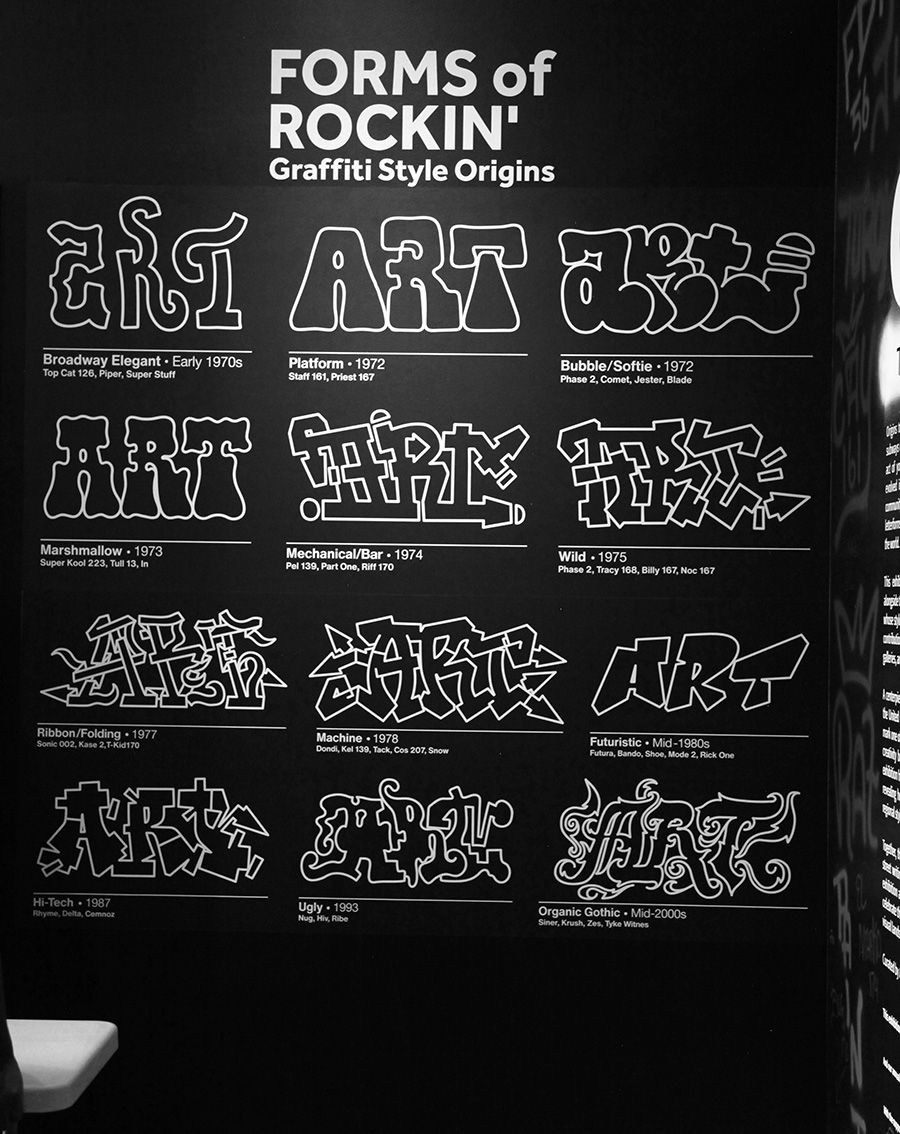
The inclusion of Ortiz's work in the MOCA exhibition is significant. This isn't just about acknowledging a talented artist; it's about formally integrating street art into the mainstream art world, presenting it as something worthy of academic study and institutional presentation. The exhibit itself sought to contextualize these artists within contemporary art history.
His reputation as a pioneer in the graffiti scene earned him this spot alongside some of the most recognizable names in the movement. It's a complicated moment for street art, particularly considering that MOCA's decision may have directly contributed to concerns among Los Angeles police about an increase in tagging within the surrounding neighborhood as documented. The irony is palpable.
The Context of Grief
Heidi Follin, Ortiz's representative through her New York gallery, has shared that he was profoundly impacted by the death of his wife earlier in January, a loss attributed to illness. This personal tragedy adds another layer to the narrative surrounding his actions and public perception; it invites consideration of how grief might manifest as rebellion or as an expression of profound pain.
Understanding the artist's emotional state doesn't excuse illegal acts, but it offers insight into the motivations behind them. Street art is frequently born from personal struggle or frustration with societal norms, and Ortiz's situation underscores that link between individual experience and artistic creation. This adds a poignant dimension to both his work and his public image.
Parallel Punishment: Revok's Case
Ortiz isn't the only artist featured in the exhibition facing legal consequences for their art. Jason Williams, known as Revok, received 180 days in jail for violating probation following a prior vandalism conviction as reported. This case mirrors Ortiz's situation, revealing that the art world's embrace doesn't guarantee immunity from legal repercussions.
The fact that two artists included in this landmark exhibition face incarceration simultaneously suggests a systemic issue within the street art community and how it interacts with law enforcement. It highlights the inherent tension between creative expression that operates outside of traditional structures and the legal boundaries designed to regulate public space. This duality is what makes these cases so compelling.
Police Concerns and Community Impact
The Los Angeles Police Department expressed concern that MOCA's exhibition might inspire an increase in graffiti within the museum's neighborhood. While this worry seems predictable given the subject matter, it also speaks to a larger debate about the responsibility of institutions when showcasing potentially provocative or legally ambiguous art.
It is difficult to separate art from its context and consequences; MOCA's decision to exhibit Ortiz's work inevitably sparked conversation about legality and cultural boundaries. The police concern reflects a common fear that exposure can normalize, or even encourage, behaviors deemed undesirable by authorities. This debate isn't new but it continues to evolve alongside the street art movement itself.

The Future of Street Art Recognition
Angel Ortiz's story presents an uncomfortable truth for the contemporary art world: celebrating artists while they remain subject to legal penalties creates a complex and often contradictory narrative. This situation raises questions about the responsibility of galleries, museums, and curators in representing artists whose work exists on the margins of legality.
The trajectory of street art has been one of gradual acceptance, but Laroc's case serves as a sharp reminder that this integration remains incomplete. It is important to acknowledge both the artistic merit of these works and the legal ramifications surrounding their creation; only then can we begin to develop a more nuanced understanding of the role of street art in contemporary society.


0 comments