

A four-story warehouse in Long Island City used to be the loudest building in New York. Not with sound. With paint. For twenty-one years it wore a rotating skin of graffiti so dense you couldn't find a clean patch of brick, and painters flew in from Canada, Japan, Brazil and the Netherlands just to get a wall on it. Then one night in November 2013, the owner painted the whole thing white. Now it's two apartment towers, and the check the courts made him write over that paint job is one of the biggest in graffiti history.

A water meter factory becomes a graffiti mecca
The building at 22-44 Jackson Avenue started life as an industrial plant. By the early 1990s it was mostly empty space, and a local curator started letting aerosol artists paint the exterior legally, an alternative to writers risking arrest on trains and rooftops. In 2002, a graffiti artist named Jonathan Cohen, who painted under the tag Meres One, took over as curator and renamed the place 5 Pointz, a nod to the five boroughs converging as one scene, according to Wikipedia.
Cohen ran it like a curated gallery, not a free-for-all. Writers submitted work, got wall space assigned, and repainted over each other in cycles, so the building was never really finished. It became one of the most photographed graffiti sites on earth, visible from the elevated 7 train tracks that run right past it, which meant thousands of subway riders got a free rotating exhibit every day whether they wanted one or not.

The whitewash
Developer Jerry Wolkoff owned the site and had been trying for years to build residential towers on it. In November 2013, with city approval for demolition finally in hand, he moved fast. Painters hired by Wolkoff arrived under cover of night on November 19, 2013 and rolled white paint over the murals, starting around 3 a.m. and finishing before sunrise, according to We Heart Astoria, which covered the aftermath that same morning. Artists found out when they showed up to paint and found blank walls instead.
There was no notice, no chance to document or remove work first. Two decades of pieces, layered on top of each other by hundreds of artists, gone in a few hours. The building itself came down the following year to clear the site for construction.
The lawsuit that changed the price of erasing a mural
Twenty-one of the artists sued Wolkoff under the Visual Artists Rights Act, a federal law that protects certain works of "recognized stature" from destruction or mutilation without the artist's consent. It is a law developers had mostly ignored for temporary street art, on the assumption that graffiti was too disposable to count as protected art. A federal jury disagreed in November 2017, finding Wolkoff had violated the law.
In February 2018, Judge Frederic Block went further than almost anyone expected. He awarded the artists the maximum statutory damages available: $150,000 for each of 45 works, adding up to $6.7 million, according to NBC New York. Wolkoff appealed. The Second Circuit upheld the award in February 2020, and the Supreme Court declined to hear the case later that year, closing the door for good. It remains one of the largest VARA judgments ever handed down, and it put every property owner in the country on notice: paint over a mural without asking, and a jury might decide that art was worth more than you assumed.
What stands there now
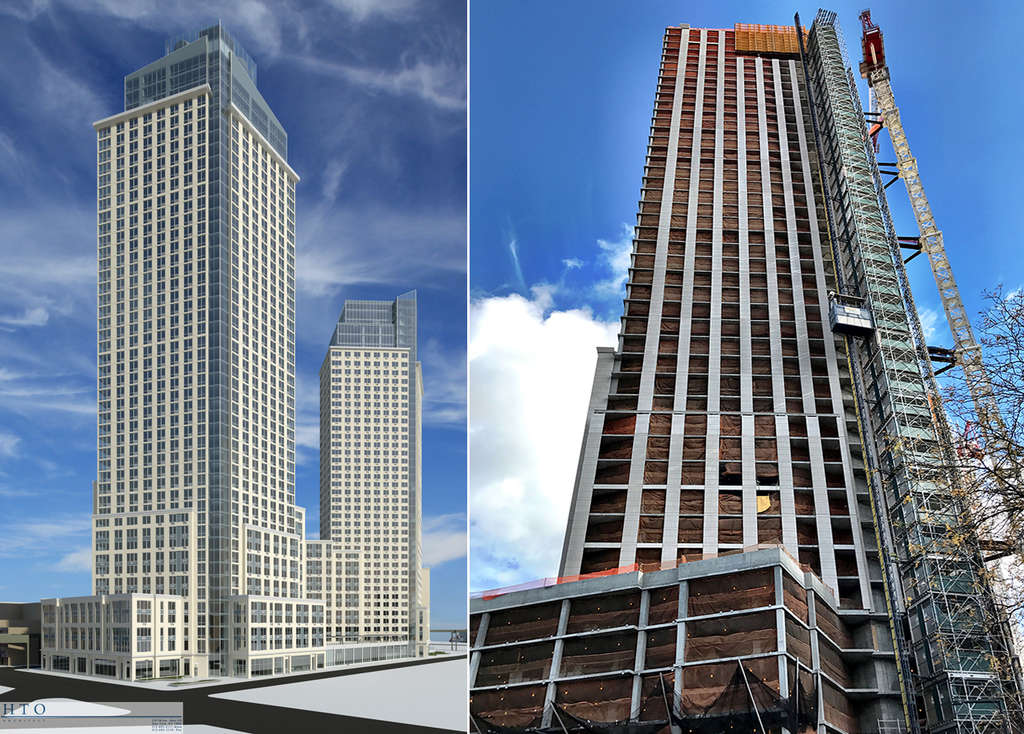
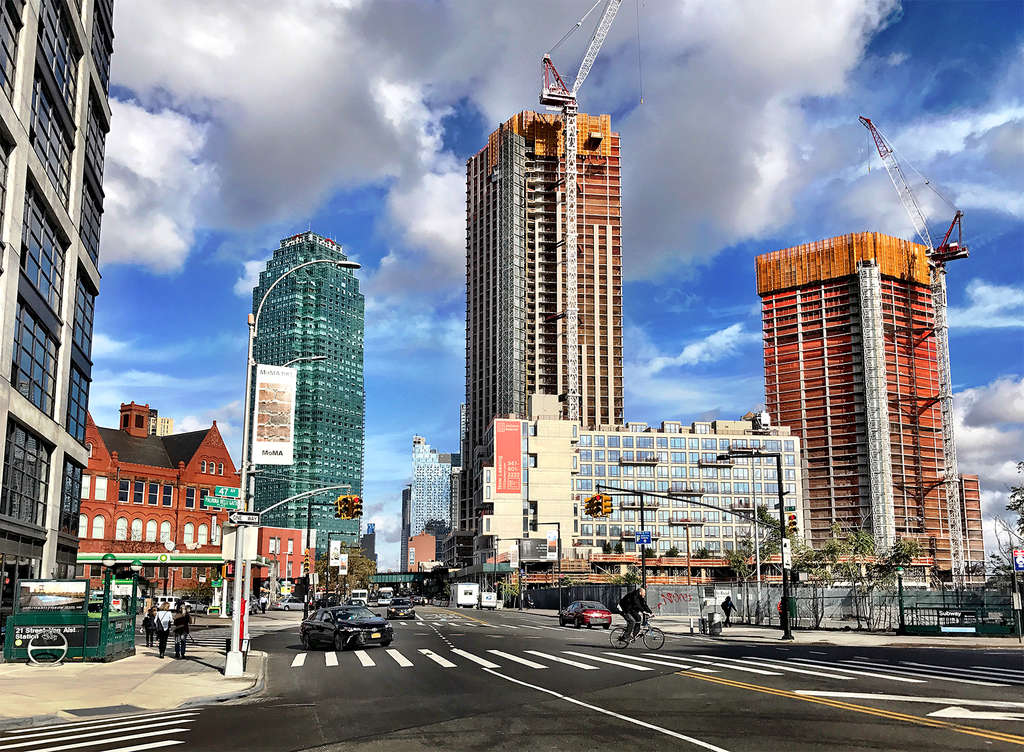
Two rental towers, 47 and 41 stories, went up on the footprint: 1,115 apartments, a fifth of them set aside as below-market rate, plus retail space and a scatter of ground-floor artist studios that nod at what used to be there, per 6sqft's reporting on the project. The towers have been renting for years now. There is graffiti-inspired art in the lobbies. It is not the same thing, and nobody involved has pretended otherwise.
5 Pointz never needed permission to exist as art. It needed permission to survive as real estate, and it lost that fight the moment the land under it got expensive enough. The murals are gone. The $6.7 million verdict is not, and it is the reason developers now think twice before reaching for a paint roller.

0 comments