

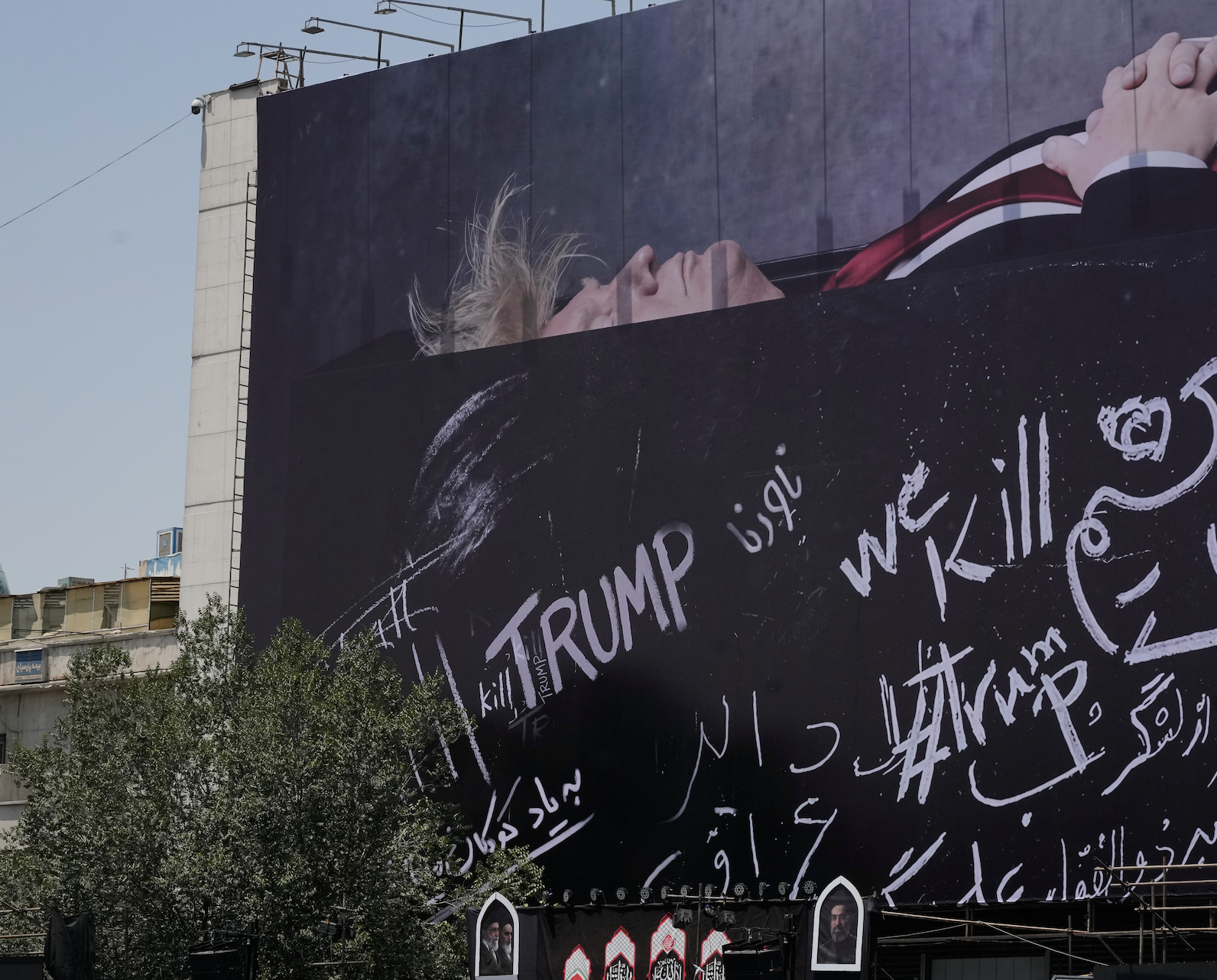
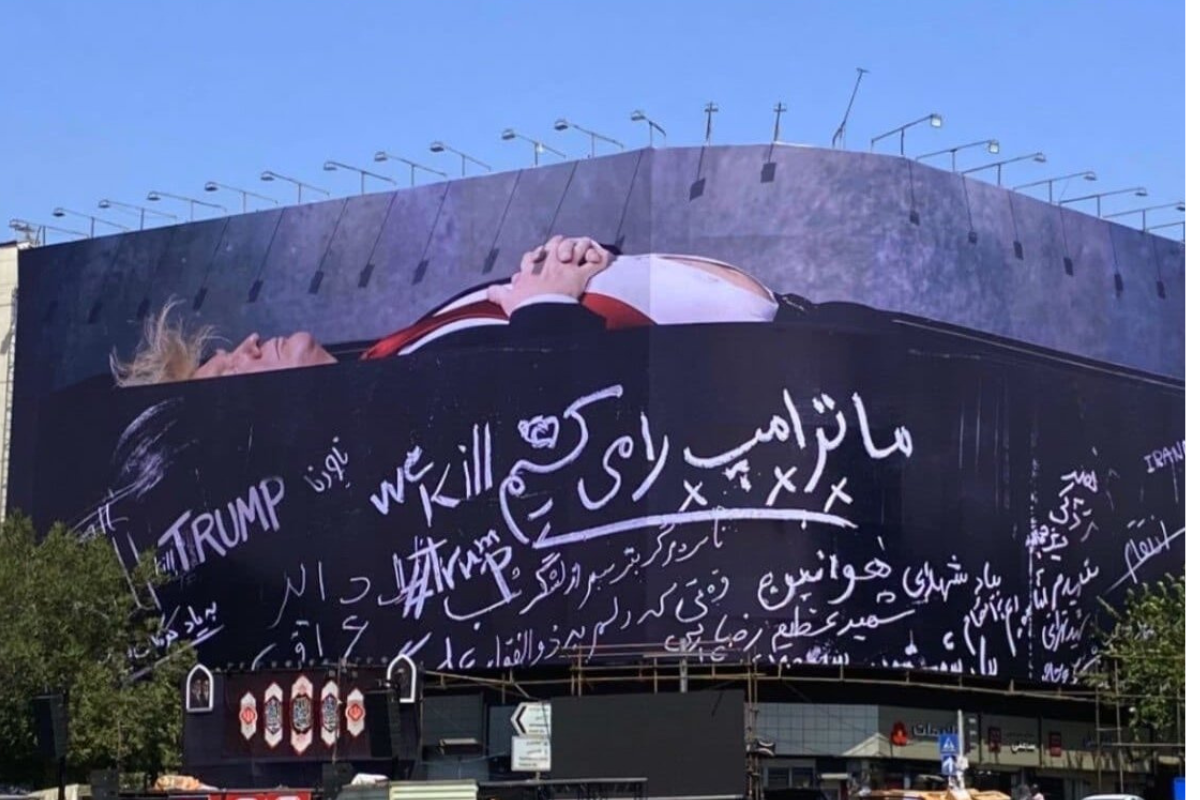
Enghelab Square is a public space, always pulsing with something. Now it's got a new visual statement. A mural has appeared; it portrays U.S. President Donald Trump in a coffin.
Reporting via hindustantimes.com presstv.co.uk.
The image feels less like art and more like an immediate reaction. It's blunt. The phrase "We Kill Trump" accompanies the depiction, solidifying its purpose as a direct challenge. This isn't subtle messaging. It's raw defiance emerging from Tehran, coinciding with escalating tensions between the United States and Iran.
The Context of Enghelab Square
Enghelab Square has long served as a focal point for public expression in Tehran. Its name translates to "Revolution Square," reflecting its historical significance as a site for demonstrations and gatherings since the 1979 revolution. Street art, even when unofficial, finds a space here; it's a place where voices are amplified, where messages are delivered directly to the populace and to any observing eyes.
The mural's location isn't accidental. It signifies a deliberate effort to broadcast this sentiment to both domestic audiences and international observers. The square provides a platform for communication that bypasses traditional media outlets, offering an unfiltered view of public opinion. This kind of visibility matters, especially when navigating complex geopolitical relationships.
"We Kill Trump": A Message of Retaliation
The accompanying phrase "We Kill Trump" is undeniably aggressive and provocative. It appears alongside the coffin image, creating a stark narrative of retribution. The timing aligns with calls for retaliation following the death of former Supreme Leader Ali Khamenei; this mural feels like an extension of that sentiment.
While the phrase carries considerable weight, it's important to understand its symbolic meaning within this context. It's less about a literal threat and more about communicating unwavering resistance and defiance against perceived U.S. aggression. This form of visual communication has been employed as a tool for political expression in various cultures throughout history.
Military Warnings and the Threat of Annihilation
The mural's appearance is intertwined with recent military warnings issued by Iran's Armed Forces. A joint statement from the General Staff of Iran's Armed Forces and the Khatam al-Anbiya Central Headquarters warned of "unpredictable blows" against any aggressors. This escalation is a direct response to what Iran perceives as escalating threats from the United States.
President Trump's own comments, made at the UN General Assembly, added fuel to the fire. He stated that he was poised to make a "big decision" on whether to strike a deal or "quickly annihilate" Iran according to reports. The mural's imagery and accompanying text become a visceral reaction to this kind of rhetoric; it's a visual embodiment of the fear and anger driving much of the current discourse.
Diplomacy Amidst Escalation
Despite the aggressive messaging, there have been indications of renewed diplomatic efforts. U.S. and Iranian delegations met on the sidelines of the UN General Assembly as reported. This fleeting moment of engagement offers a sliver of hope amidst the escalating tension.
However, the mural's starkness serves as a reminder that the gulf between these two nations remains significant. The image effectively underscores the chasm between diplomatic overtures and public sentiment within Iran. While backroom negotiations may occur, visual displays like this reflect the prevalent mood among many citizens; it highlights the anxieties they feel.
President Pezeshkian's Address to UNGA
Iranian President Masoud Pezeshkian's arrival in New York and upcoming address to the U.N. General Assembly are significant events within this context as noted. He will present a narrative of resilience and diplomacy, attempting to project an image of a "powerful and invincible Iran" to the international community.
The mural complicates his message. It provides a counterpoint to the official diplomatic stance; it represents a segment of the population that may feel more inclined towards confrontation than negotiation. The visual messaging from Enghelab Square will inevitably influence perceptions of Pezeshkian's address, shaping the broader international conversation about U.S.-Iran relations.
The Power of Street Art as Political Commentary
This mural exemplifies the power of street art to function as a direct form of political commentary. It circumvents traditional media gatekeepers and delivers a message directly to the public, providing an alternative narrative to official statements or news reports.
Stencil art, in particular, lends itself well to this kind of rapid deployment and impactful messaging. The ease with which these images can be created and disseminated allows for swift responses to current events, becoming powerful tools for protest and dissent. This mural isn't just an image; it's a statement, a challenge-delivered visually onto the urban landscape.

Looking Ahead: A Nation on Edge
The appearance of this mural in Enghelab Square is a symptom of deeper anxieties and escalating tensions. It's a visual manifestation of defiance, born from feelings of threat and a desire for retribution.
Whether it leads to further escalation or serves as a release valve remains to be seen. Regardless, the image stands as a stark reminder of the precarious state of U.S.-Iran relations and the power of art to reflect the raw emotions underlying those tensions. The message is clear: Iran will not back down.
0 comments