

It's gone. The Banksy mural in Dover, a stark commentary on Britain's departure from the European Union, has been painted over. This news isn't unexpected, perhaps, but it still feels like another loss for a city already defined by shifts and uncertainty.
Reporting via en.wikipedia.org cnn.com.
The erasure of public art always carries weight; especially when that art is tied to politically charged moments. Banksy is an England-based street artist, political activist, and film director whose interventions routinely spark conversation and controversy. This particular mural, depicting a worker chipping away at one of the twelve stars on the European Union flag, arrived in Dover like a sudden storm, instantly transforming a forgotten wall into a focal point for national debate.

A Brief Life Near the Ferry Terminal
The mural appeared unexpectedly near the ferry terminal in May 2017 and quickly became a melancholy symbol of what the country stood to lose from Brexit. Dover, a port town steeped in maritime history and now wrestling with the consequences of isolationism, provided an apt backdrop for Banksy's commentary. It was a visual distillation of anxieties surrounding trade, identity, and the uncertain future facing coastal communities like this one.
The mural's location mattered immensely; Dover is more than just a port. The town is a gateway, historically connecting Britain to Europe. To see a piece of art that so directly addressed the disruption of that connection placed on such an iconic landmark felt particularly poignant. It highlighted the very real human cost of political decisions, far beyond dry statistics and parliamentary debates.
The Building's Precarious Existence
What adds another layer to this disappearance is the building's history. The mural was painted on a structure that was due to be demolished before Banksy's viral work showed up in 2017. It's a brutal irony that something intended as a lasting statement arrived on a surface destined for oblivion, highlighting the fragility of both art and memory.
The impermanence of street art is part of its appeal; it exists outside the traditional structures of museums or galleries, subject to the whims of weather, bureaucracy, and property owners. But knowing that this particular work was born on a building marked for demolition amplified its precariousness, making its eventual removal feel less like a surprise and more like an inevitable consequence.
Godden Family History and Legal Battles
The Godden Gaming Organization owns the building where the Brexit mural was painted. This isn't Banksy's first interaction with the family; he chose another Godden family building to create his Brexit mural, the same family who previously lost a High Court battle with Banksy over permission to sell one of his murals on a property they owned in Folkestone.
The prior legal dispute speaks volumes about the complex relationship between street artists and landowners. It demonstrates how quickly politically charged art can become a commodity, subject to commercial interests and legal battles. The Godden family's exploration of options to remove, maintain or sell the artwork further underscores this tension - treating Banksy's work less as a cultural statement and more as an asset.

The Removal: A Weekend Operation
On Monday, August 26, 2019, scaffolding had been erected over the weekend at the building in Dover and the wall where the mural was painted was covered in white paint. The swiftness of the operation is telling; it wasn't a spontaneous act of vandalism but a calculated decision, carried out under the cover of darkness.
The act itself, painting over a piece of public art, feels like an act of censorship, however subtle. It reinforces the power dynamics at play: those who control property ultimately dictate what can and cannot be displayed within their domain. The removal serves as a stark reminder that even iconic works are vulnerable to forces beyond the artist's control.
Local Reaction and Wider Significance
Local lawmaker Charlie Elphicke expressed disappointment, stating he is 'Very disappointed by the disappearance of the Dover Banksy A culturally iconic statement on our times.' His sentiment reflects a broader feeling of loss within the community and beyond.
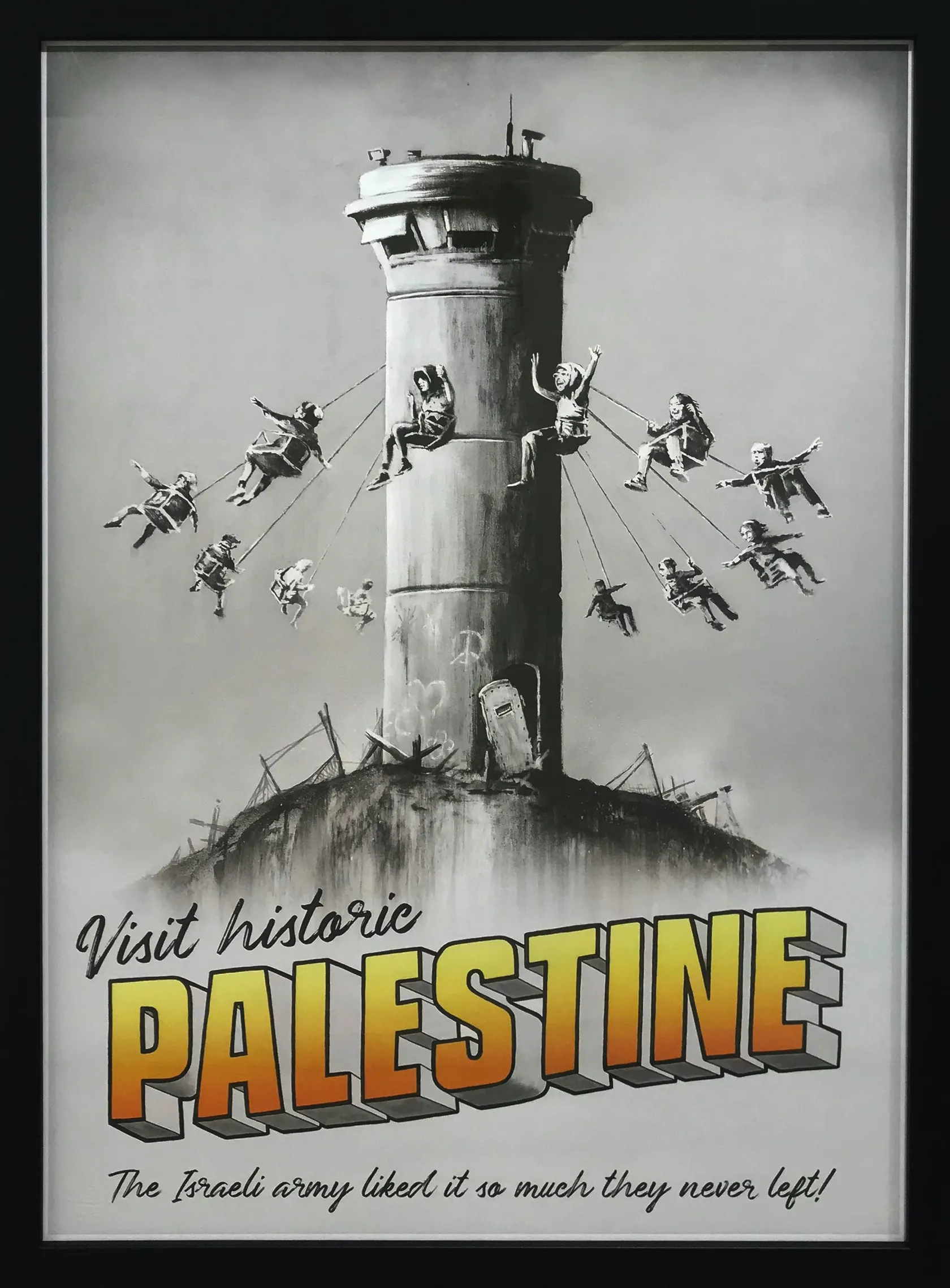
Banksy's work often engages with political themes, as evidenced by his large-scale installation, Walled Off Hotel in Bethlehem featuring nine guest rooms and a presidential suite critiquing the division between Israel and Palestine. This Dover mural was just one element in his broader project of using art to challenge power structures and provoke dialogue. Its disappearance, while regrettable, doesn't diminish its impact - it only serves to highlight the urgency and relevance of the messages he conveys.
What Remains
The mural is gone, physically erased from the wall in Dover. Photographs remain, circulating online as a digital memorial. But beyond the images, what endures is the conversation it sparked, and the questions it raised about art, politics, and belonging.
Perhaps that's Banksy's true intention all along: to create fleeting moments of disruption, knowing they will eventually fade, but leaving behind a lingering sense of unease and a renewed awareness of the world around us. The disappearance is a loss, yes, but also a reminder of art's power - even in its absence.
0 comments