

The city's ongoing struggle with graffiti took a dramatic turn this week: three individuals were apprehended on suspicion of prolific tagging. These arrests, spanning just three days between October 10 and October 12, represent an escalation in the SFPD's efforts to address what many consider a growing problem.
Reporting via sfstandard.com sfchronicle.com.
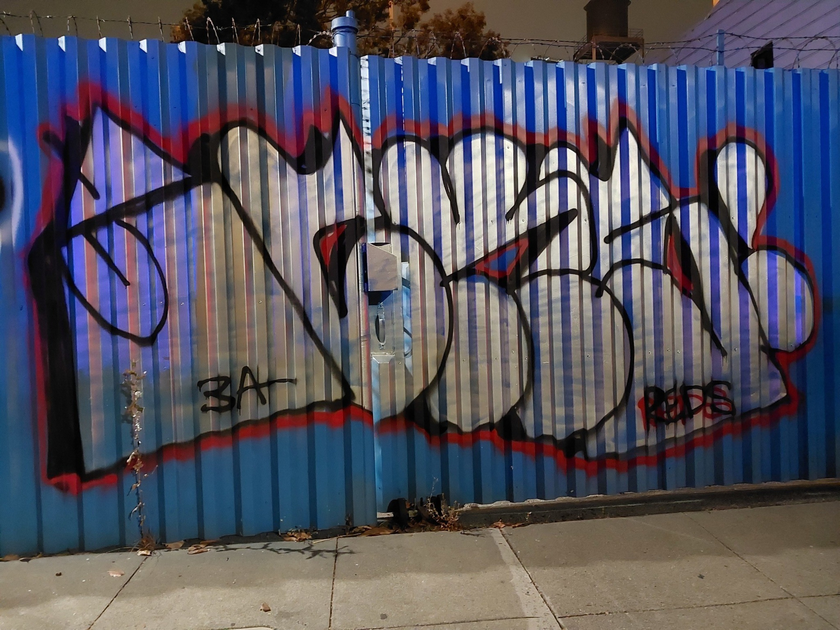
The circumstances surrounding these arrests are significant, especially given their variety; one suspect was struck by a light-rail train while vandalizing Muni property. This situation highlights not only the persistence of graffiti activity but also introduces questions about risk assessment and public safety. The police department's response - involving officers from Mission Station, Ingleside Station, and Southern Station - indicates a citywide effort aimed at curbing this form of vandalism.
The Tag 'Ecks' and the 10th Street Connection
Joel James, arrested on October 12 while tagging property on 10th Street, is suspected of using the tag 'Ecks'. The choice of location itself speaks to a pattern; 10th Street seems to be an area of concentrated activity for these individuals. While we don't know exactly what was tagged, it's likely the work mirrors that found elsewhere in the city: businesses, homes, parks and city property all have been targeted.
Street art, at its best, pushes boundaries and challenges conventions. However, illegal tagging like this often creates an atmosphere of disorder and can damage property. Identifying a consistent tag on 10th Street suggests more than just random acts; it could be part of a larger network or claim within the graffiti scene.
Anders McLeland: Photography Alongside 'Aspect'
Anders McLeland, arrested October 10 for defacing a business window with permanent marker, provides an interesting contrast. He is suspected of using the tag 'Aspect' and appears to have a social media profile showcasing diverse creative skills, including photography and videography. This raises questions about the motivations behind his actions: is it a need for notoriety, an expression of frustration, or something else entirely?
The existence of this online presence complicates perceptions. It moves beyond simple criminality to introduce elements of artistic ambition, however misguided it may be. The SFPD's perspective, as voiced by Chief Bill Scott suggests a hope that these individuals can redirect their creativity into more constructive outlets.

Matthew Schular: Hate Crime and Terrorism Charges
The case of Matthew Schular stands apart due to the severity of the charges. Arrested October 11 after trespassing and vandalizing Muni property, he also faces felony vandalism with a hate crime enhancement and terrorism for desecrating a cross on private property. This elevates the incident beyond simple graffiti; it introduces elements of malicious intent and potentially targeted antagonism.
The inclusion of 'terrorism' charges is particularly concerning, suggesting an attempt to instill fear or disrupt public order through vandalism. His arrest also involved him being struck by a light-rail train: a stark reminder of the risks associated with this kind of activity. The legal ramifications are substantial and reflect the seriousness with which authorities view these actions.
The SFPD's Approach and Community Involvement
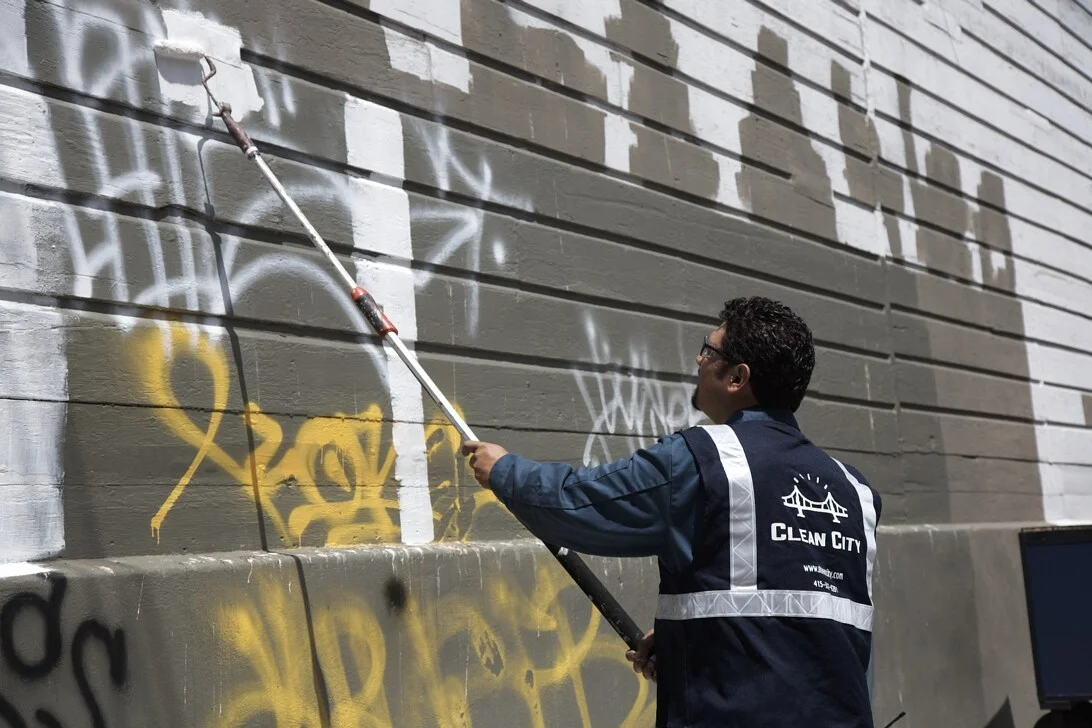
Following these arrests, the SFPD Graffiti Abatement Unit is emphasizing its role in responding to vandalism incidents. They advise property owners and managers to file police reports when they discover graffiti and provide resources for reporting and removal. This proactive stance signals an intention to not only apprehend offenders but also support those affected by vandalism.
The unit's webpage offers guidance on prevention strategies and the importance of community involvement . Ultimately, addressing graffiti requires a multi-faceted approach: law enforcement intervention coupled with community awareness and preventative measures.
Charges and Legal Ramifications
While all three suspects were arrested, their charges differ. Schular and James face misdemeanor vandalism and possession of graffiti tools, while McLeland faces only misdemeanor vandalism. This disparity in charges likely reflects the varying degrees of severity associated with each individual's actions.
The legal process is ongoing; these are open and active investigations and the police department encourages anyone with information to come forward. The outcomes of these cases will have implications for how graffiti is prosecuted in San Francisco and potentially serve as a deterrent against future offenses.
The Lingering Questions
These arrests underscore deeper questions about creative expression, urban blight, and the role of law enforcement. Are these individuals simply misguided artists seeking recognition? Or are they engaged in criminal behavior that harms the city's aesthetic and economic well-being?
The SFPD's perspective remains optimistic; Chief Scott hopes those arrested find constructive outlets for their creativity. However, given the charges - particularly Schular's inclusion of hate crime and terrorism enhancements - a more complex picture emerges. The situation warrants continued scrutiny and a nuanced approach that balances enforcement with opportunities for rehabilitation.


0 comments