

Downtown Warren is seeing some serious changes, and it isn't just new storefronts or renovated buildings. A massive mural, the work of artist Sara Aiello, now dominates a significant portion of the urban landscape. It's a reminder that public art can be more than decoration; it can actively reshape perceptions.
Reporting via timesobserver.com erienewsnow.com.
This project feels like it's responding to a growing need for something substantial and enduring in a place often overlooked. Warren's location puts it on a trajectory where street art has the power to spark dialogue, build connections, and even influence tourism, something that goes beyond just adding color to the walls.
The Scale of the Project
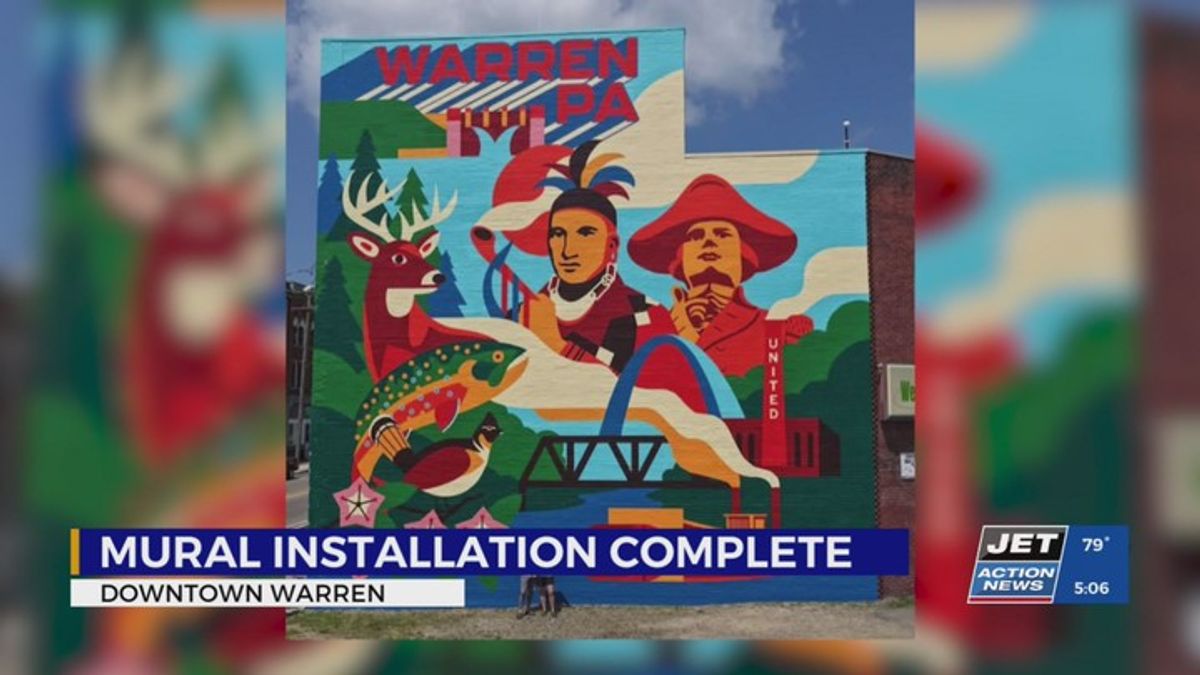
At 40 feet wide and 44 feet high, this isn't a small-scale endeavor. The sheer size demands attention; it's hard to miss when you walk or drive through downtown Warren. This scale allows for incredible detail and complexity, lending itself perfectly to the layered narrative Aiello has developed. Large-format murals inevitably become landmarks, points of orientation in the urban environment.
The physical presence alone changes how people perceive the space around it. Consider that a mural of this magnitude is an immediate visual statement, it signals investment and community pride. It communicates that someone cares about the area's aesthetic character; something a lot of places struggle to demonstrate.
A Reflection of Warren County
The mural's content goes beyond mere aesthetics, aiming for representation. Sara Aiello incorporated the state tree, animal, bird, fish and flower into her design, creating a powerful connection to Pennsylvania's natural heritage. The inclusion of native Chief Cornplanter and city namesake, General Joseph Warren, anchors the work firmly in local history.
This kind of visual storytelling is increasingly relevant; people want art that speaks to their identity and place within a larger context. Street art often serves as this conduit, bridging the gap between personal experience and collective memory. Aiello's choices avoid generic imagery, instead opting for specific symbols loaded with meaning for those who call Warren County home.
Industries Represented
Beyond natural elements and historical figures, a significant aspect of the mural's design is its engagement with Warren's industrial past. Images symbolizing industries like refining, steel production (represented by the St. Louis arch), and logging are incorporated into the collage. These weren't chosen arbitrarily; they illustrate key chapters in the area's economic evolution.
The inclusion of these industrial representations is interesting for a few reasons. It acknowledges that a place's story isn't always pretty or straightforward, it confronts the complexities of growth and decline head-on. The steamboat image, for example, speaks to a time when logging was a major force in Warren County, raising questions about environmental impact and economic shifts.
Community Funding
The mural's creation wasn't driven by large institutions or government grants; it was entirely funded through local business donations. This grassroots approach reflects the community's investment in public art, it suggests that residents believe this project is worth supporting financially.
This method of funding is becoming a more common model, particularly in smaller towns and cities where traditional funding sources might be scarce. It places the power directly into the hands of local stakeholders, fostering a sense of ownership and responsibility for the artwork's success. The fact that it came from donations reinforces the idea that art can be a truly democratic enterprise.
The Semiquincentennial Connection
Artist Sara Aiello and her husband Jody have stated that the mural incorporates historical elements tied to both Warren County and the nation's semiquincentennial celebration. This connection positions the artwork within a broader national narrative while still remaining rooted in local identity.
Linking public art to national milestones is a smart move; it provides additional context and relevance. It also offers an opportunity for conversation about America's past, present, and future. By integrating these themes into a visual representation, Aiello transforms a simple mural into a focal point for reflection.
A Welcoming Statement
The mural's intended purpose is to welcome visitors while celebrating Warren County's history. It's a deliberate attempt to create a positive first impression and instill a sense of pride in the community. Public art can act as an ambassador for a place, communicating its values and aspirations to outsiders.
The mural's placement downtown is strategic; it ensures maximum visibility and impact. It's a constant reminder that Warren County is open, welcoming, and proud of its heritage. The visual message extends beyond mere aesthetics, it speaks volumes about the community's commitment to preserving its history and creating a vibrant public space, as reported.

The Collage Aesthetic
Aiello chose a collage format for the mural, combining images in a cohesive manner with Pennsylvania wildlife as a central theme. This approach allows for layering of meaning and visual complexity, creating a rich and engaging experience for viewers.
Collage is a powerful technique in street art because it encourages interpretation; it's not always obvious how all the elements relate to each other. It requires the viewer to actively participate in constructing meaning, thereby making the artwork more personal and impactful. The choice of collage suggests an intention to present Warren County as a place of many facets, histories, and voices.
A Process in Progress
The painting began in late May, and it's currently described as being considerably complete. This ongoing nature of the project is interesting; it allows for a sense of anticipation and community involvement as the mural takes shape. People can witness the creative process firsthand, fostering a deeper connection to the artwork.
The fact that we're seeing this unfold in real time, from initial sketches to final details, adds another layer of appreciation. It emphasizes that public art isn't just about the finished product; it's also about the effort and dedication that goes into its creation, as highlighted.

0 comments