

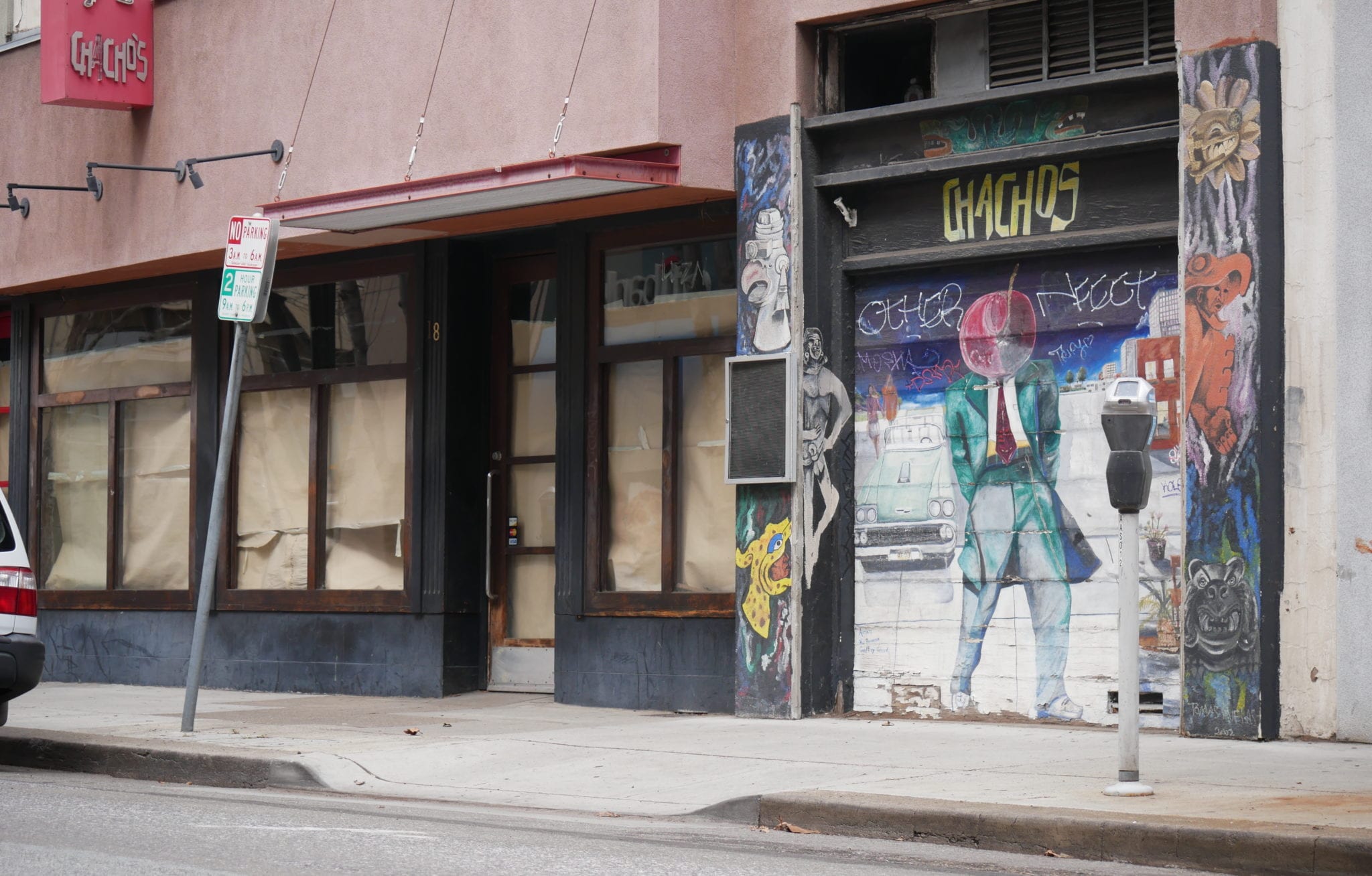
The tag said GOOB. It showed up on storefront security gates, freeway overpasses, delivery trucks, and public buildings across downtown San Jose for the better part of two years, the same fat bubble letters dragged across whatever surface was closest. Investigators followed that one name for eighteen months. It led them to two more.
An investigation that starts with one moniker
San Jose Police Department's Central Division launched an investigation on January 18, 2025, into a graffiti surge that had hit the downtown area since 2023, according to the San Jose Police Department. Nearly every incident carried the same signature. Detectives tied the tag to a suspect and obtained an arrest warrant on April 22, 2025, for 20-year-old Alex Garcia. By the time he was booked, Garcia was suspected in roughly 100 separate vandalism incidents committed between July 2023 and April 2025, hitting commercial, public, and private property across the South Bay.
One name leads to a crew
Garcia's arrest didn't close the file. Detectives kept working the case and found he wasn't tagging alone, according to KRON4. He was allegedly part of a crew with two other taggers: 23-year-old Sebastian Rodriguez, who signed his work STAPLE, and 26-year-old Brandon Arreola, who went by 2LATE. Rodriguez was tied to at least 17 separate vandalism incidents in San José; Arreola to at least 14, according to CBS News. Combined with Garcia's count, the crew is now linked to more than 130 vandalism incidents across the South Bay over roughly two years.
The arrests, and what turned up in the room
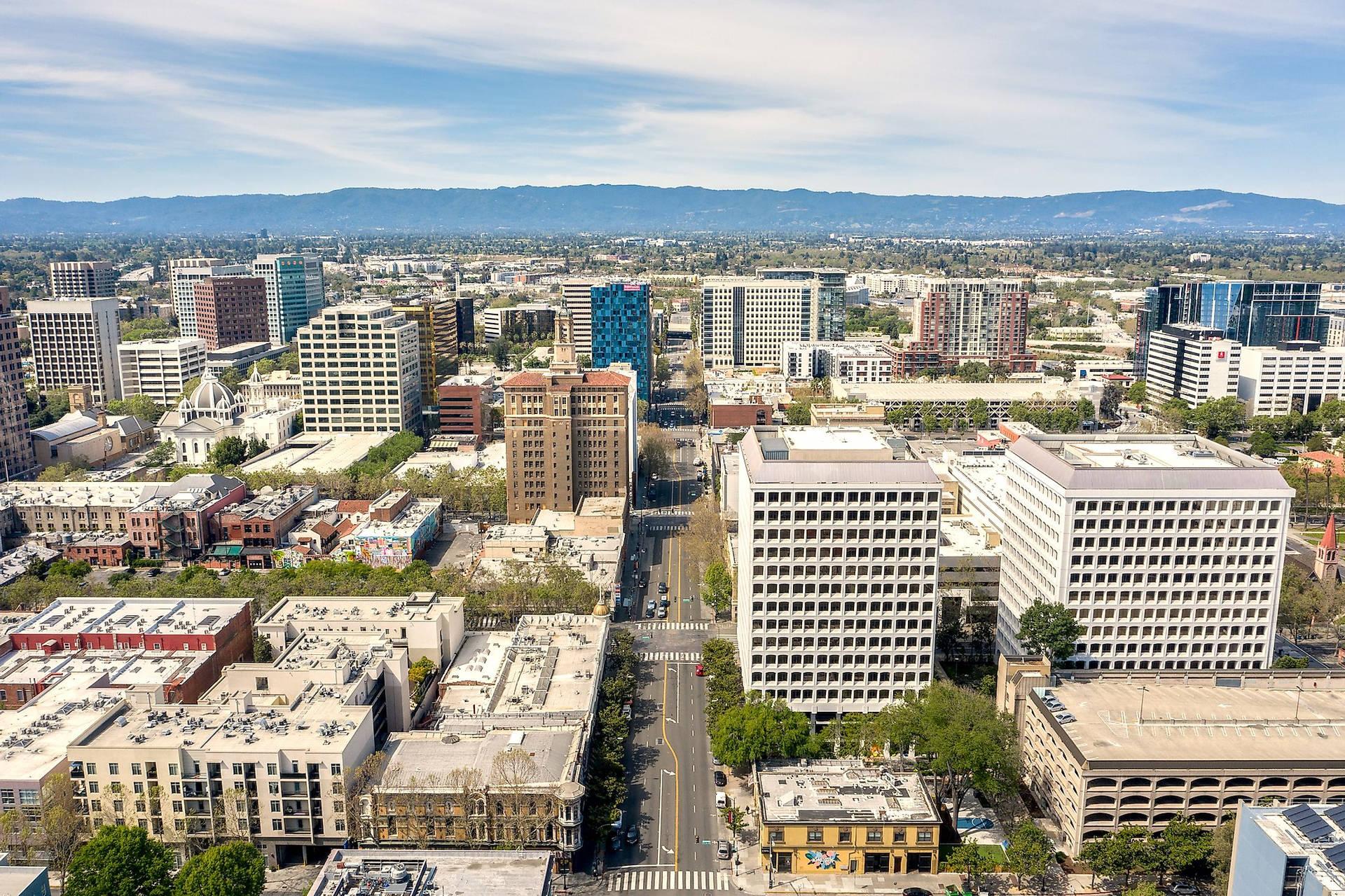
On September 3, officers arrested Rodriguez at his home in Los Banos, roughly an hour outside San Jose. Inside, they allegedly found large amounts of spray paint, graffiti tools, and a firearm, according to NBC Bay Area. The same day, officers arrested Arreola in San Jose and recovered more spray paint and graffiti tools from his location. Both men were booked into jail on felony vandalism charges, following Garcia's own booking months earlier once his warrant was served.
None of the three suspects had a public profile before the arrests. Their reputation existed entirely in the tags themselves: GOOB, STAPLE, and 2LATE meant something to whoever was reading storefront gates and freeway signs in downtown San Jose, and meant nothing to anyone else until police started publishing names. Felony vandalism charges in California generally track the dollar value of the damage, and a two-year run across commercial, public, and private property tends to add up fast once a city starts totaling repair and repainting costs across dozens of separate properties.

Why police chase a name instead of a face
None of this started with a tip or a face caught on camera. It started with a repeated signature, the same way most tagging investigations do. A crew builds a reputation by putting the same name on as many surfaces as possible, and that repetition is exactly what gives police something to track: frequency, location clusters, and lettering style become a fingerprint long before anyone has a real name to attach to it. Garcia's roughly 100 hits over 21 months gave San Jose PD enough of a pattern to build a case against him specifically, and building that case is what surfaced his crew.
It is the same math that has closed tagging investigations elsewhere. Portland spent years tracking single monikers like Bier and Rango before making arrests, watching a signature repeat across a city until the volume itself became the evidence. Volume is what makes a tagger's name mean something on the street. It is also what eventually points a detective's finger back at whoever is holding the can.
San Jose police have not said whether more arrests are expected in connection with the same crew, and the department's public accounting so far covers only the three names it has released. What's on record is straightforward: one name, tracked for months, that opened into two more, three felony bookings, and a firearm recovered from a bedroom an hour outside the city where most of the tags went up.
Part of a wider crackdown
GOOB, STAPLE, and 2LATE aren't the only monikers San Jose has closed the file on recently. Gang Investigations Unit detectives arrested a 17-year-old behind a separate string of tags reading GIZMO after residents reported incidents through the city's 311 app between April 4 and April 22, 2025, according to KRON4. Police also separately identified and arrested the tagger behind a moniker called Byes. San Jose Police Chief Paul Joseph said at the time that his department's gang unit is committed to taking down vandals who "incite fear in our neighborhoods," adding that residents "deserve to live in safe and clean communities, not ones shadowed by threats of gang violence."
Taken together, the cases point to the same investigative loop repeating across San Jose: a moniker shows up enough times to draw a pattern, residents feed reports through 311 or community meetings, a unit assigns a detective to the name specifically, and the name eventually resolves into a person, sometimes alone, sometimes with a crew standing behind the same three or four letters.
Related reading from TasteBueno
- Portland Spent Years Chasing a Tagger Named Bier. His House Turned Out to Be a Gun Factory.
- Portland Spent Years Chasing a Tag Called Rango. It Ended With 150 Cans of Spray Paint and One 22-Year-Old's Arrest.
- A Tulsa Teenager Tagged 'Mango' Over 100 Times. His Arrest Turned Up a Gun and Meth in His Dad's Pants.


0 comments