

The first stencil on Earth is a human hand, and it is older than the wheel, the alphabet, and the city.
Cave walls did it first
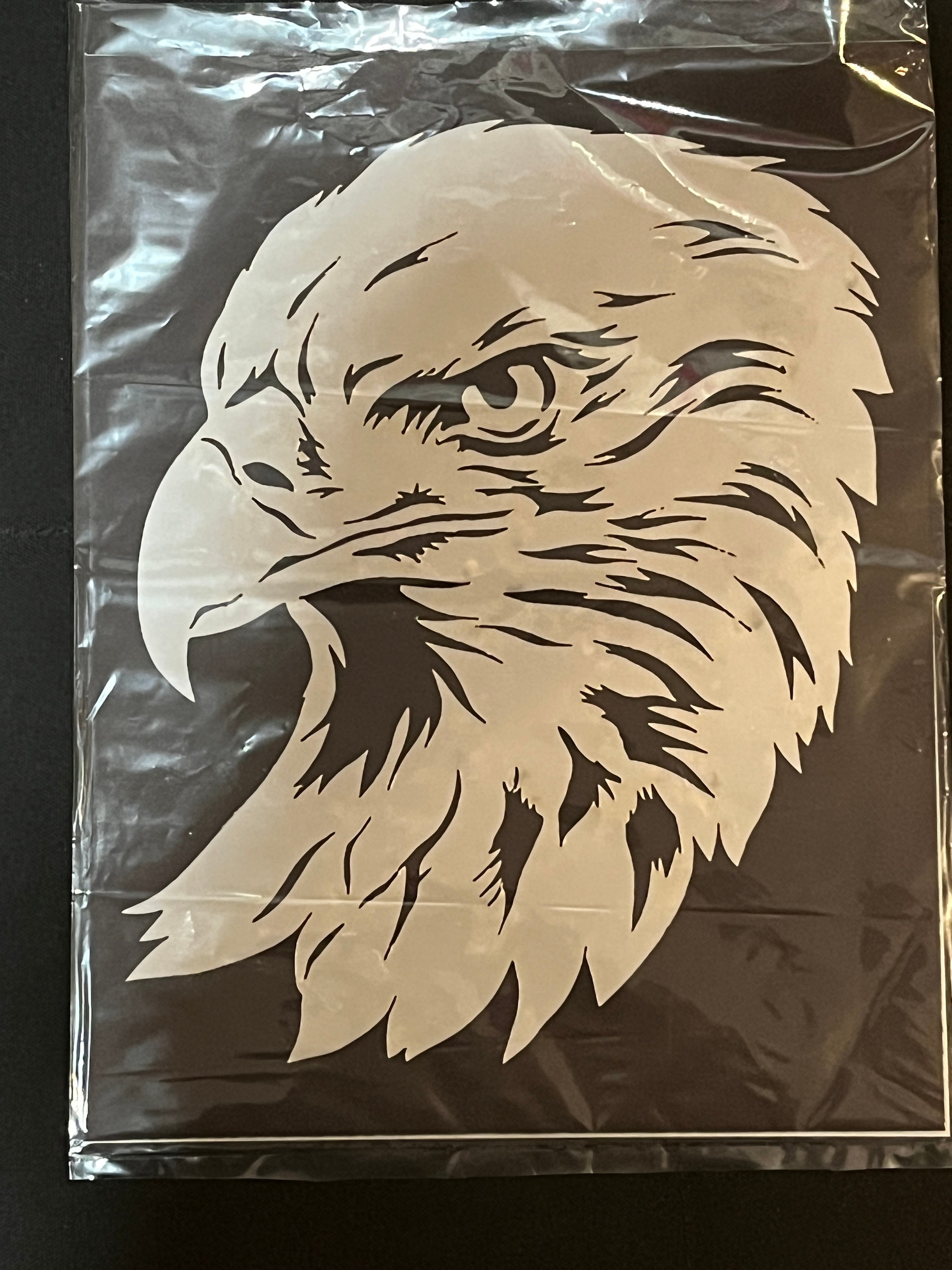
Hand stencils made by blowing pigment around a hand pressed to rock go back more than 35,000 years, found in caves across Asia and Europe, according to Wikipedia's history of the stencil. The method was simple. Press a hand to the wall, load a hollow bone with pigment, blow it around the hand like an airbrush, then pull the hand away. What's left behind is a negative space, the exact same basic trick every stencil since has used. A stencil was never really about drawing. It's about blocking.
Crates before canvases
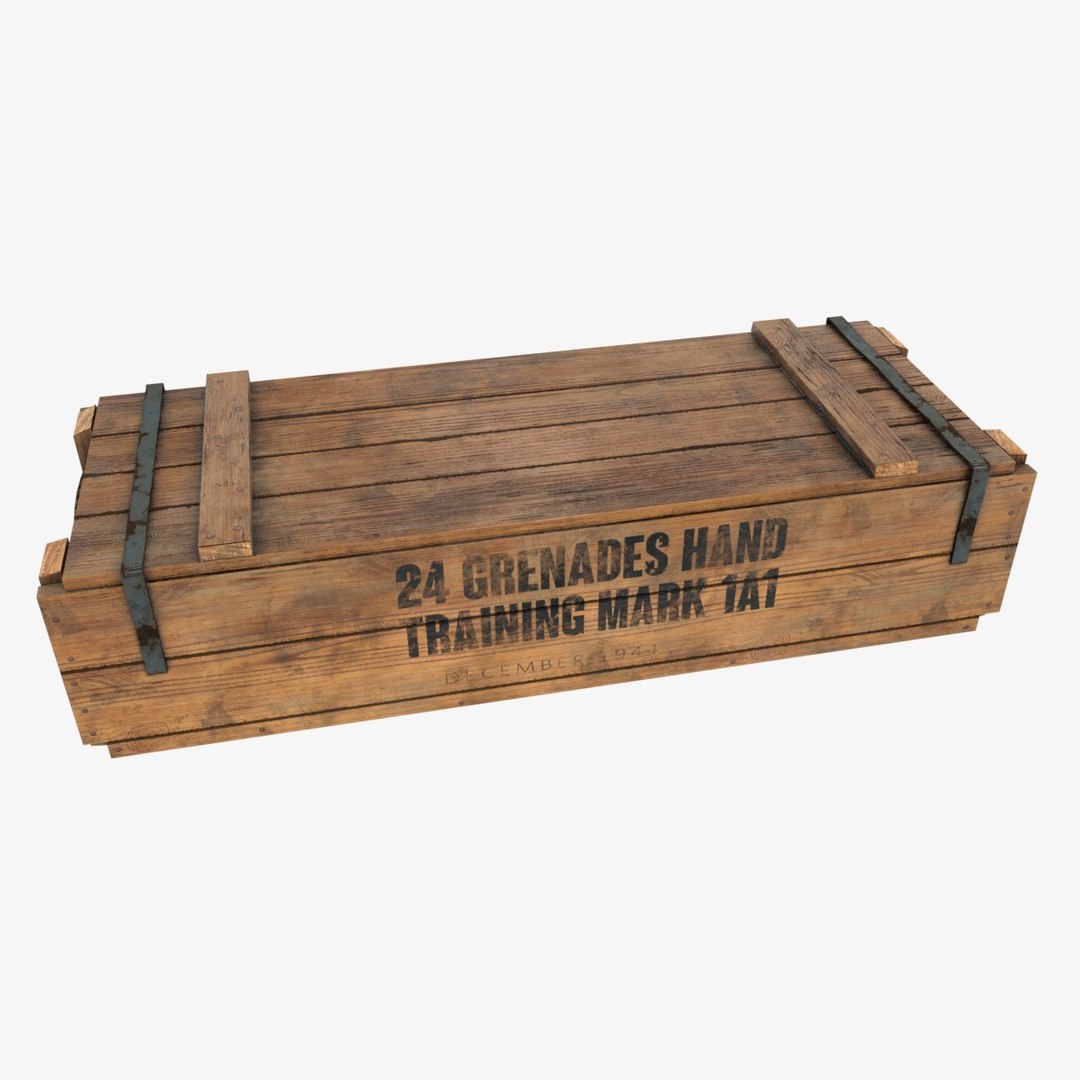
Long before anyone hung a stencil in a gallery, it was a shipping tool. Brass and oil-board templates marked crates and sea bags for identification, a practice that ran hard through both World Wars, when the U.S. military stenciled ammunition boxes and equipment for fast reading in the field, according to WWII crate stencil restoration records. The blocky, bridge-heavy letterforms from that era are still sold today as "stencil fonts," a look most people now associate with graffiti instead of an ammo crate.
From book illustration to protest wall
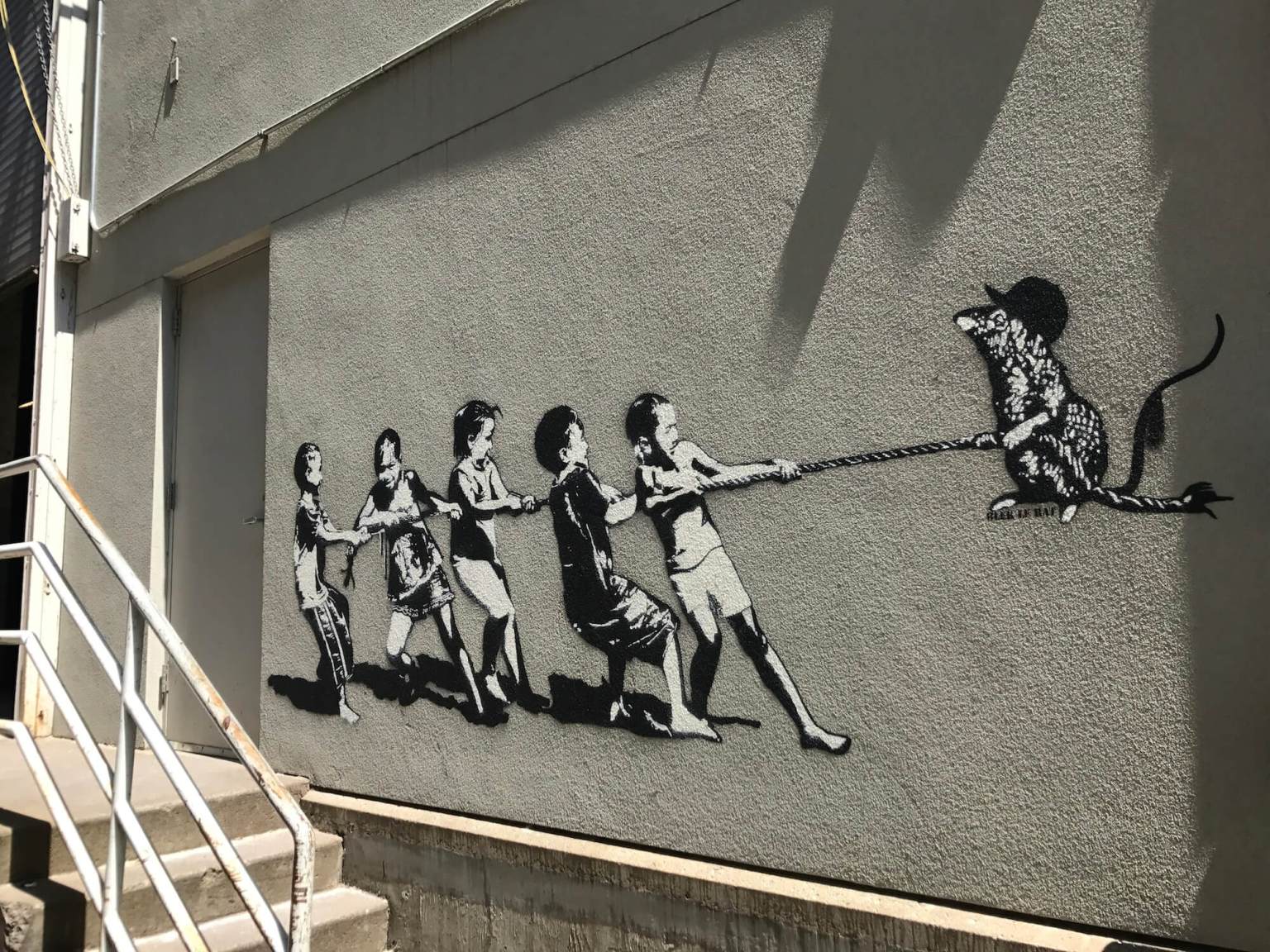
Stencils also spent decades as a fine production shortcut. In 1920s France, illustrators André Marty and Jean Saudé built careers on pochoir, a hand-stencil coloring technique used to mass-produce book illustrations with a precision no paintbrush could repeat twice, per a history of stencilling tools. Stencil graffiti as its own art form didn't show up until the 1960s, when protest artists in France started using it to put a repeatable image on a wall fast, before anyone could stop them, according to Wikipedia's entry on stencil graffiti. Ernest Pignon-Ernest is generally credited as the first to move the technique onto city streets in the 1970s. Blek le Rat picked it up in Paris in 1981 and spent the next decade making it the default tool of an entire movement.
A radiator paint demo that became an industry
None of that works without the can. In 1949, paint company owner Ed Seymour was trying to find a better way to demonstrate an aluminum radiator paint to sales prospects in Sycamore, Illinois. His wife suggested he mist it on instead of brushing it, borrowing the same idea behind the aerosol insecticide sprayers American soldiers had used against mosquitoes during World War II, according to Beyond the Streets' history of spray paint. Seymour borrowed a few thousand dollars from a local bank to build it out. By 1973, Rust-Oleum and Krylon alone were pushing 270 million cans a year in the United States. A tool built to sell radiator coating had become the fastest way to put color on a wall, and stencils gave it the one thing spray paint alone couldn't: an exact, repeatable shape.
The blade gave way to the laser
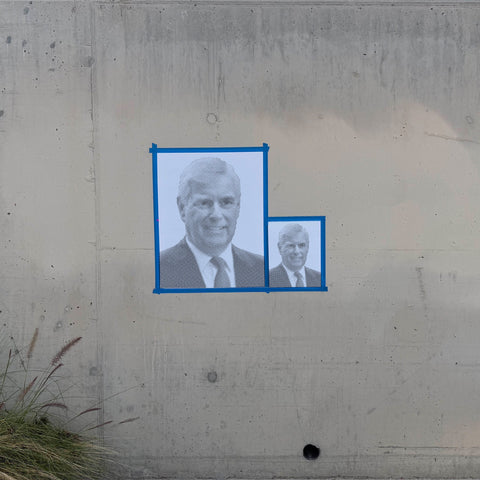
For most of stencil history, the limit was whatever a hand could cut. An X-Acto blade can only turn so tight a corner before the material tears, which is why classic stencil work leans on bridges, thick connecting lines that hold a design together instead of fine, floating detail. Laser cutters removed that ceiling. A laser follows a vector file exactly and cuts Mylar without ever touching the material, which means bridge-free detail, thinner lines, and multiple layers that register perfectly on top of each other, precision a blade never offered. Mylar remains the preferred material because it's flexible, water-resistant, and holds up to repeated use, according to a laser cutting stencil guide from xTool. The industry keeps moving: 2026 has pushed laser shops toward bamboo and recycled acrylic as eco-friendly stock alongside Mylar, per an industry trends report. TasteBueno cuts its own production stencils this way, and keeps hundreds of finished halftone files ready to go through the Stencil Library for anyone who wants to skip straight to cutting.
Same trick, better tools
Nothing about the core idea has changed since the first hand went up against a cave wall. Block a shape, apply pigment, pull the blocker away, repeat the exact same image as many times as needed. What changed is how fine that shape can be and how fast it can be cut. A technique that started as a way to leave a mark without a hand steady enough to draw one now runs through machines precise enough to cut a photograph's worth of dots into a sheet of plastic.
Related reading from TasteBueno
- Blek le Rat Stenciled Rats All Over Paris in 1981. Banksy Later Admitted He'd Been Copying Him for Twenty Years.
- A Philadelphia Teenager Tagged an Elephant to Prove He Wasn't Dead. He Also Invented Modern Graffiti.
- A Teenage Messenger's Ballpoint Tag Made the New York Times in 1971. Every Tag on Earth Still Owes Him Rent.


0 comments