

Three names on a wall, then on a price tag
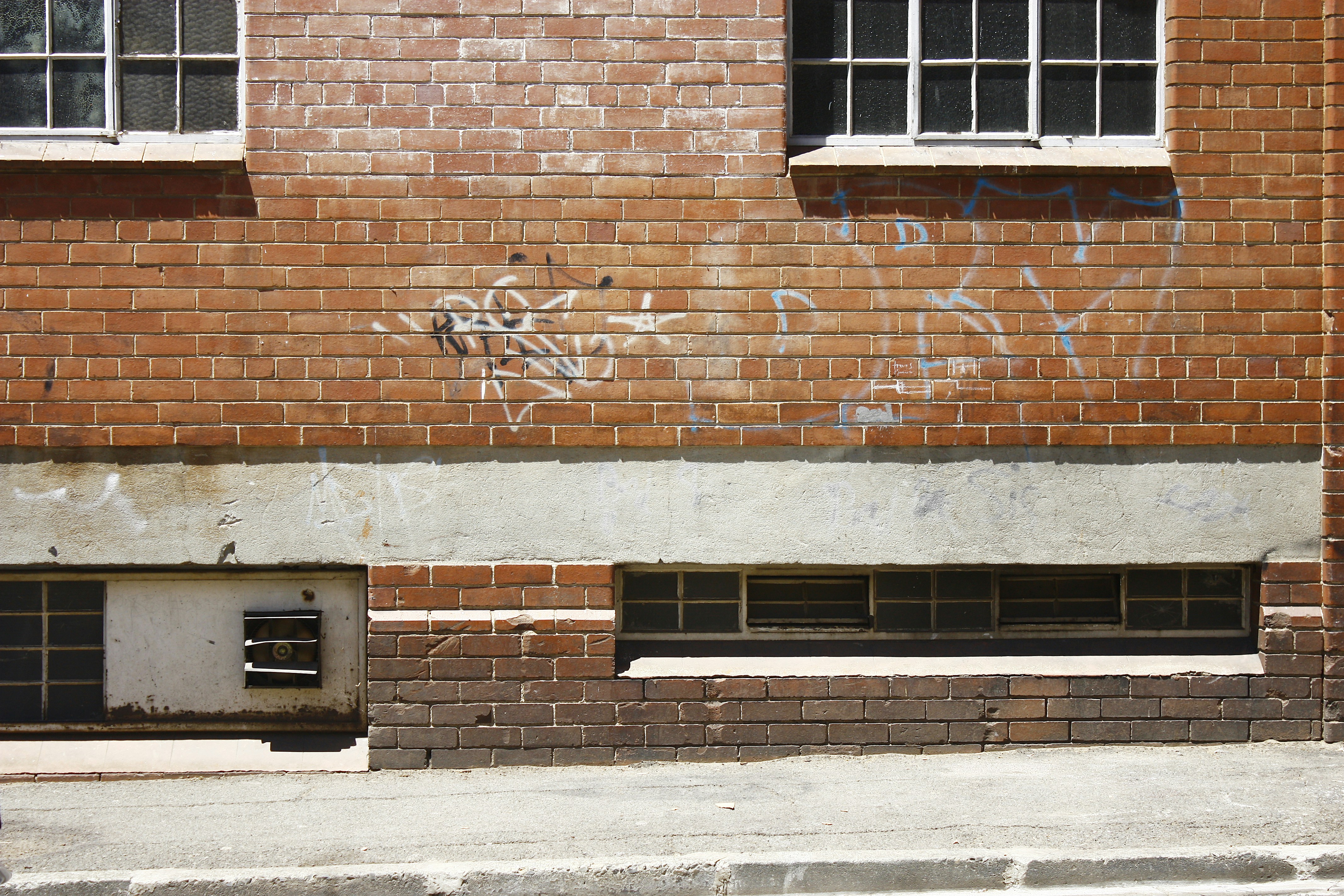
Three UK graffiti writers walked into a California federal court last year and pointed at a fashion house. Cole Smith, who tags DISA. Reece Deardon, who tags SNOK. Harry Matthews, who tags RENNEE. Their claim was simple. Vivienne Westwood took pictures of their tags, the names they spent years painting on walls, and printed them on clothes to sell. Nobody asked them. Nobody paid them.
The case is over now. It ended in a way that tells you more about who owns a tag than any verdict would have. We will get to that. First you need to understand why a brand wanted those three names in the first place, and why this exact fight keeps happening.
What the lawsuit actually said
The suit landed in the Central District of California on February 12, 2025, case number 2:25-cv-01221. The named defendant was Vivienne Westwood, Inc., along with the retailers stocking the garments. The writers said the brand used images of their work without permission to "lend credibility and an air of urban cool" to the clothing.
Read that phrase again, because it is the whole case. Not "they liked our colors." Not "they were inspired." The writers argued the brand wanted the specific thing a real tag carries: proof that someone risked something to put a name on a wall. You cannot manufacture that in a design studio. So you take it. A graffiti tag is worth printing precisely because it was not made for a print. The moment it is on a shirt at retail price, the risk is gone and only the look remains. That is the trade the writers said happened without them.
The question nobody in fashion wants answered

Here is the part that makes these cases strange. Most graffiti is illegal. You do not get a permit to tag a wall. So when a brand gets caught, its lawyers reach for the same move every time: you broke the law to make this, so you do not own it, so we can use it.
That argument has never actually been tested to a finish in court, and the brands seem to want to keep it that way. In 2018 H&M tried exactly this on the writer Jason "Revok" Williams after using his work in an ad. They filed papers claiming illegal art gets no copyright protection. Then writers and their followers went after H&M online, and the company dropped the suit and apologized inside a few weeks. Moschino did a version of the same thing with the writer Rime after putting his mural on a dress Katy Perry wore to the Met Gala. That one settled too.
Notice the pattern. The brand uses the work, gets caught, raises the "it was illegal anyway" defense, and then backs out before a judge can rule on it. Because if a court ever ruled clearly that illegal graffiti does get copyright protection, every brand that has ever lifted a tag is exposed. And if a court ruled it does not, then graffiti becomes free stock art for any corporation with a printer. Neither side wants to be the test case. So the cases keep ending early.
How it ended, and what that tells you
The Westwood case ended on April 30, 2026. Both sides jointly filed to dismiss the whole thing with prejudice, each paying its own costs. The filing said nothing about money, nothing about a settlement, nothing about whether the brand would stop selling the clothes.
"With prejudice" means the writers can never bring this exact claim again. "Each side bears its own costs" usually means a private deal got done off the record, but we do not know that, and the paperwork was built so that nobody outside the room ever will. So the answer to "who owns a tag once a corporation prints it" is, legally, still nobody knows. The fight reset to zero, ready for the next three writers and the next brand.
Who actually owns a tag

Strip away the court filings and the real answer is older than copyright law. A tag belongs to the writer in the only way that has ever mattered on the street: everyone in the scene knows whose it is. That is the whole point of a tag. It is a name. DISA is DISA whether it is on a wall in Bristol or a shirt in a Westwood store, and every writer who sees it on that shirt knows it was taken.
The law has not caught up to that and the brands are betting it never will. They keep folding before a ruling because the folding is cheaper than the risk. Meanwhile the writers get what these cases almost always deliver: an undisclosed amount, a dismissal, and their name back. Sometimes that is the win. Sometimes it is just the next round.
At TasteBueno we cut stencils, not lawsuits, but we work in the same material these writers do: a name, a mark, the thing someone made to be seen on a wall. The line between honoring that and lifting it is the whole game, and it is worth knowing which side of it you are standing on before you hit print.
Sources
- The National Law Review, UK graffiti artists dismiss Vivienne Westwood suit
- JD Supra, graffiti artists dismiss Westwood lawsuit

0 comments