

A portrait stares out from a corner in San Francisco's Chinatown, an image of a man denied the very thing he was born to, citizenship.
Reporting via nbcbayarea.com chsa.org.
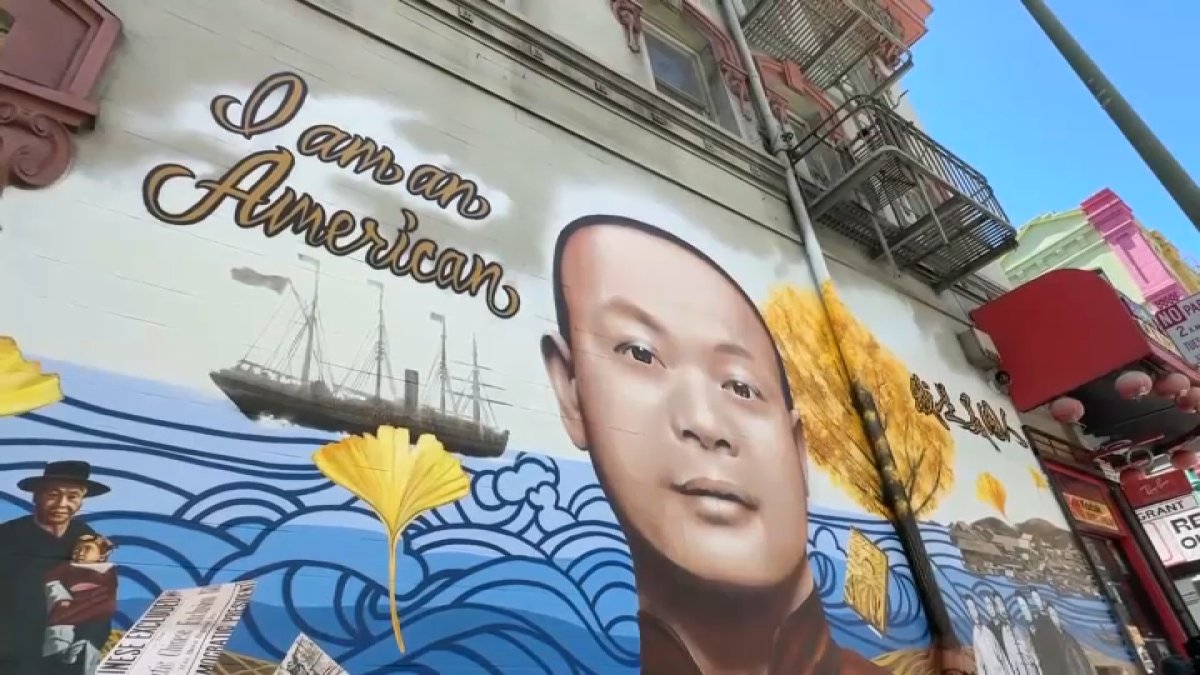
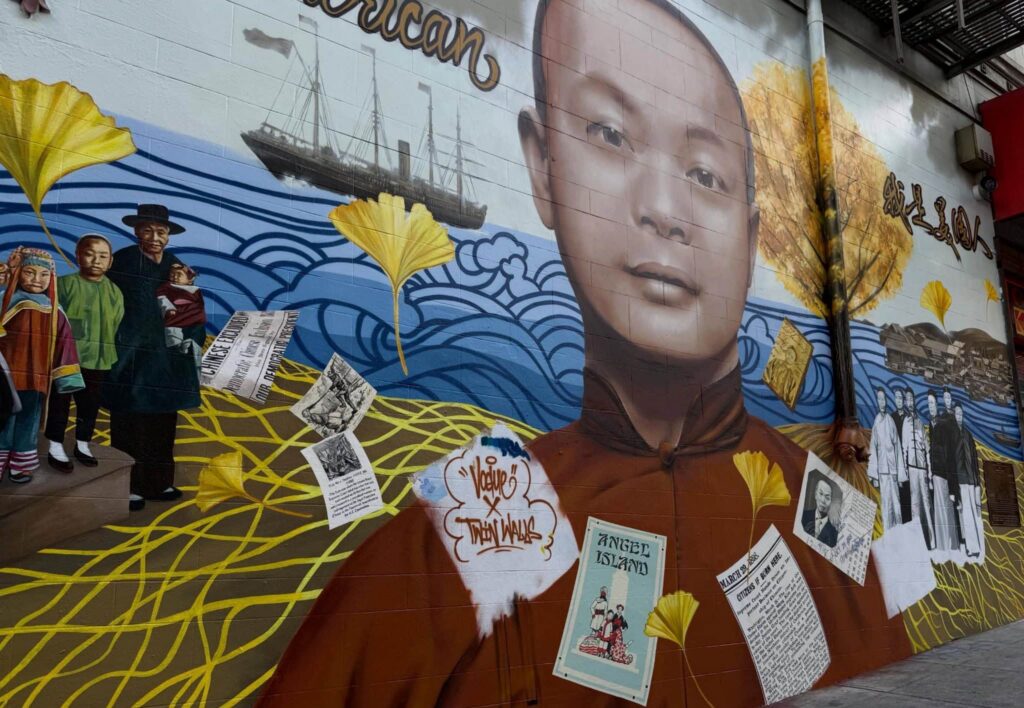
The mural, recently completed by artists Norman Chuck, known as 'Vogue,' Elaine Chu and Marina Perez-Wong of Twin Walls Mural Company, is more than just paint on brick. It's a potent reminder of a legal battle that shaped American identity for generations. Located at the corner of Sacramento Street and Grant Avenue, it places this story directly within its geographic and historical context, near where Wong Kim Ark himself was born as reported.
A Man Denied Entry
Wong Kim Ark's story is rooted in the era of the Chinese Exclusion Act, a blatant display of nativism that defined much of late 19th century America. Born to Chinese immigrant parents who ran a merchant business in San Francisco's Chinatown according to historical records, his journey back from China became a legal ordeal. He was detained upon arrival and prevented entry based on the status of his parents as "subjects of the Emperor of China." This denial laid bare the hypocrisy at the heart of American citizenship laws.
The mural itself subtly captures this moment, the stark lines of the steamship, the rigid posture of the immigration officials. The visual language speaks to a system designed not to protect, but to exclude based on ancestry. It's a powerful echo in an area historically targeted by discriminatory policies and where communities continue to fight for recognition.
The Supreme Court Challenge
Refusal to allow Wong Kim Ark back into the United States spurred a legal challenge that would reverberate through American jurisprudence. His case reached the Supreme Court, a process supported by the Six Companies CCBA who helped pay for his legal representation as documented. The ensuing litigation became a defining moment in understanding the Fourteenth Amendment's Citizenship Clause.
Street art often tackles complex legal and political topics, providing a visual language accessible beyond the confines of courtrooms and textbooks. This mural does that brilliantly. It transforms a dense constitutional argument into an easily digestible image, the portrait staring out, representing a fundamental question about who belongs in America.
"I Am An American"
The phrase "I am an American," written in both English and Chinese on the mural, is its most direct statement. It's a bold assertion of identity against a backdrop of systemic denial. The bilingual text underscores the cultural context; Wong Kim Ark was undeniably born within U.S. borders but treated as an outsider due to his heritage.
Stencil art in particular often utilizes textual elements like this, direct statements that challenge power structures or reclaim narratives. Here, it is not simply decoration, but a core component of the mural's message. It's a blunt declaration intended for everyone who passes by and forces them to confront the history of exclusion.
Visual Remembrances
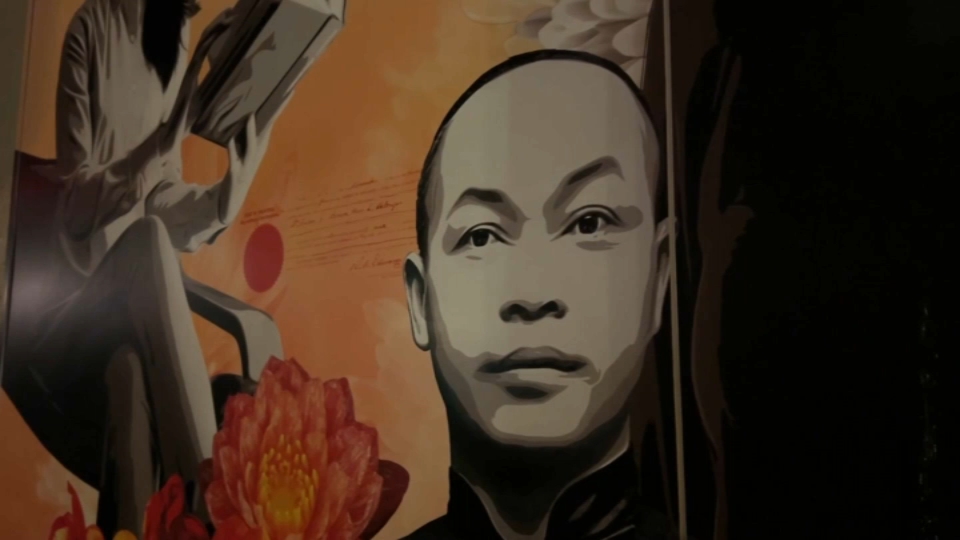
The visual elements extend beyond the portrait itself; the mural includes images reflecting Wong Kim Ark's life, village and passport photos as noted. These details ground the story in tangible realities, moving beyond abstract legal arguments to depict a person and his lived experience.
The inclusion of depictions of San Francisco's Chinatown community, a vendor or family, further contextualizes Wong Kim Ark's story within its geographic setting. It reminds us that this wasn't an isolated case but part of a broader pattern of discrimination affecting the entire Chinese American population, illustrating how one man's fight reflected many others.
Collaboration and Legacy
The creation of the mural involved significant collaboration between Twin Walls Mural Company, the Chinese Historical Society of America Museum (CHSA), community members and family members as documented. This collaborative process underscores the importance of community ownership in telling stories of cultural significance.
Elaine Chu's statement, "I wouldn't be here if it wasn't for Wong Kim Ark," highlights his profound impact on her identity and that of many others as she expressed. It's a powerful acknowledgment of how his legal victory helped shape the landscape for future generations of Asian Americans.
A Corner for Reflection
The mural, paired with a bronze plaque, is permanently displayed at the corner of Sacramento Street and Grant Avenue for public viewing. This placement serves as an ongoing reminder - a visual marker in a space steeped in history.
Public art often acts as a catalyst for dialogue, prompting viewers to learn more about complex topics. The location itself is intentional; it places the story of Wong Kim Ark squarely within the heart of Chinatown, ensuring its visibility and accessibility for all. It's an opportunity for education, a space where people can stop and consider the ongoing relevance of this landmark Supreme Court case.

0 comments