

Matthew Murphy was 13 when he first put a tag on a wall that wasn't his. Today casinos pay him to do the exact same thing on purpose.

Murphy, who works under the name Black57, is one of the clearest examples of a path Las Vegas has been quietly building for two decades: illegal tagger to commissioned muralist, no permission needed to start, plenty needed to get paid. He was introduced to graffiti by a cousin as a kid, taught himself the rest, and has been a working artist since 2008, according to a profile from 123 Art. His father collected neoclassical paintings and pinup art, and Murphy says that mix, high classical technique next to unapologetically pop subject matter, shaped how he paints walls today.
The client list backs up the transition. Murphy's murals and commissioned work have gone up at the Palms, the Linq, the Stratosphere, Red Rock Casino and Tivoli Village, per the same profile. That is not underpass-and-alley graffiti. That is resort marketing budgets paying a former tagger for the thing he used to get arrested for.
The pitch to the next generation
Murphy now spends part of his time trying to talk younger writers into making the same jump he did. He told KLAS 8 News Now that gang-affiliated tagging carries a stigma that legitimate graffiti art shouldn't have to answer for, and that he is trying to "plant the seed" with younger artists about going legal, even though he's clear the decision is theirs to make. He also said something that doubles as a status report on the neighborhood he paints in: illegal taggers have been hitting "every single wall that's available lately" in the Arts District.

He's not alone in making that pitch. Fellow Las Vegas artist Rabbit Perez told the same outlet that graffiti writers and taggers aren't the same thing, and that there's a code among artists who've made the switch. "Some of us graffiti artists have certain morals, and I will always ask if I can tag a property," Perez said. It's a small line, but it's the whole argument: permission is the difference between vandalism and a mural, even when the paint and the technique are identical.
A wall's worth of tension
That tension isn't abstract in the Arts District right now. The neighborhood has been absorbing more foot traffic and more paint than it's used to, and not all of it commissioned. Murphy's comment about every available wall getting hit tracks with a district that's expanding its footprint every First Friday while still policing who gets to paint what, and where. The demand for wall space, legal or otherwise, is part of why the city's mural economy exists at all: there's more appetite for images on concrete than there is available concrete.
The gallery world caught up too
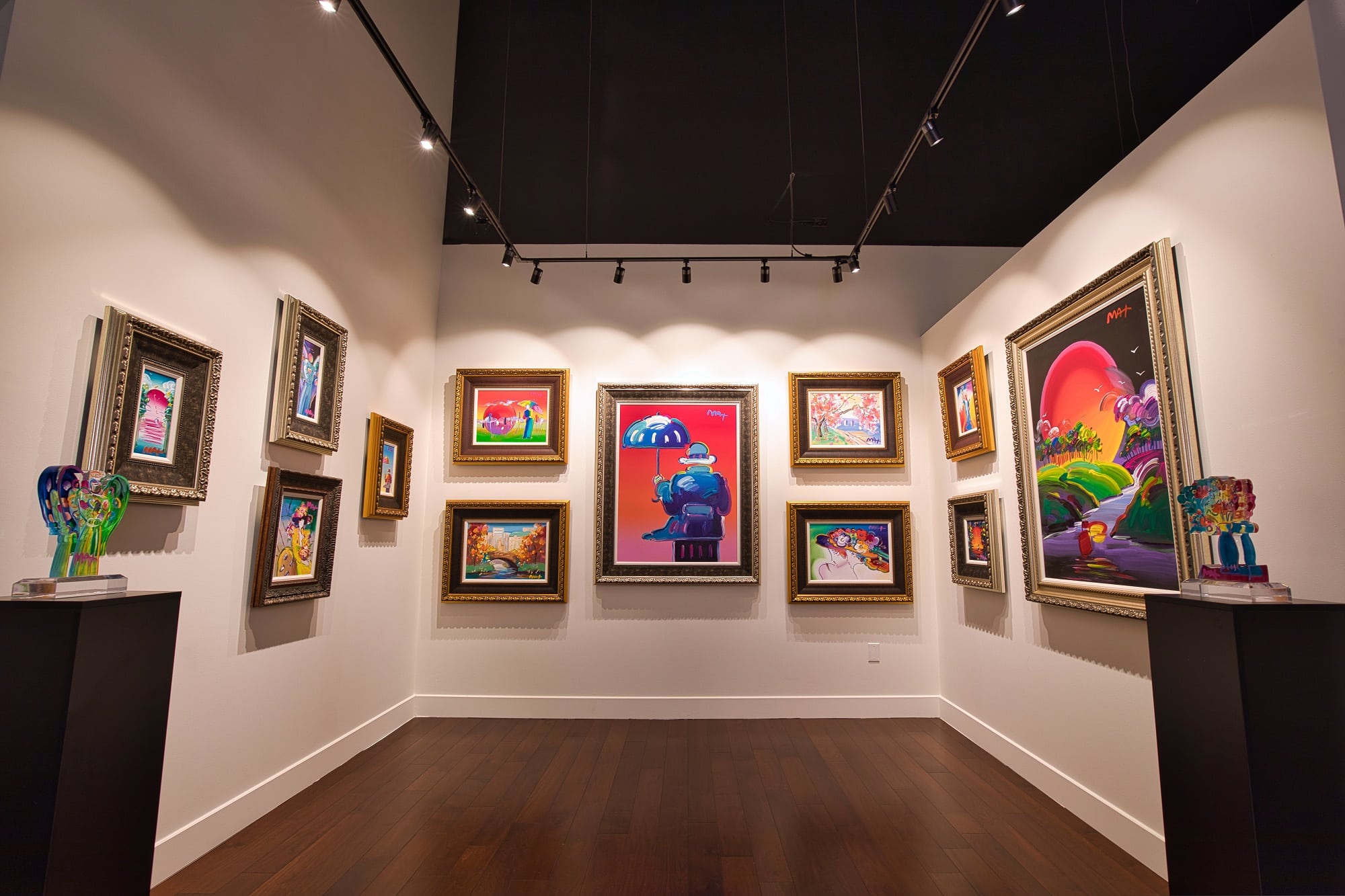
Murphy's standing got a further bump last year when Park West Gallery and the First Friday Foundation picked him as the second artist in their new Artist in Residency Program, a partnership designed to put local Las Vegas talent on display next to the gallery's usual inventory of Picasso, Renoir and Dali prints. Murphy painted live at the gallery's Forum Shops location over two stretches in spring 2025, according to News 3 Las Vegas, with the gallery kicking in supplies and wall space so shoppers could watch a former tagger work in real time a few hundred feet from a Strip casino floor.
It's a strange pairing on paper, aerosol next to old masters, but it's also exactly the kind of legitimization Vegas has been building toward. First Friday itself keeps expanding: the 2026 season opened with a featured-artist slot for Recycled Propaganda, the identity of English-American artist Izaac Zevalking, and the district's footprint now runs the length of Main Street from Charleston to Coolidge, according to 8 News Now. More wall space, more monthly foot traffic, more artists trying to get from illegal to invited.

Not every tagger makes that jump, and Murphy isn't pretending they will. What he's offering is proof it's possible: a kid who marked up somebody else's wall at 13 now gets a call from a casino's marketing department instead of a citation. For a city that built an entire tourist economy on turning vice into spectacle, that's a familiar trick. It just usually doesn't involve a spray can.
Vegas locals looking to try the legal version of that trick at home, cutting clean stencils instead of freehanding a wall, can find hundreds of ready-to-cut designs in the Stencil Library.
Related reading from TasteBueno
- A Las Vegas Artist Turned Digital Files Into Spray-Paint Stencils. His Gallery Just Got Voted the City's Best.
- A Las Vegas Museum Got Tagged on Opening Night. Its Fix Was to Charge Admission to the Free Street Party Next Door.
- One San Jose Tagger Hit 100 Walls Solo. Following His Crew Name Turned Up Two More Arrests and a Gun.

0 comments