

The edges of conflict often birth unexpected art. Banksy's presence in Ukraine, where he has created seven new graffiti artworks amidst the rubble, is a striking anomaly that brings complex questions to the forefront.
Reporting via diggitmagazine.com theguardian.com.
These aren't celebratory murals or optimistic visions; they are stark interventions within places marked by destruction and loss. Their existence alone highlights a peculiar intersection of war, art, and political statement, encapsulating a moment frozen in time but facing an uncertain future. This sudden appearance raises more than questions about authenticity; it forces consideration of the role of street art in zones of active trauma.
Locations within Ruin
Banksy's artworks appear on destroyed buildings, scattered around Kyiv and specifically in Borodianka and Hostomel. These aren't gallery walls or curated spaces; they are the remnants of lives disrupted. This choice isn't accidental. The ruined landscape offers a brutal immediacy to Banksy's message, it is not about beautifying decay but confronting it.
The selection of these locations carries significant weight within Ukraine's recent history. Borodianka and Hostomel were heavily impacted by fighting early in the war, becoming symbols of Russian aggression. Placing art here isn't merely a visual statement; it's an act of claiming space and acknowledging suffering. This deployment fundamentally alters how people engage with the ruins, shifting from spaces of mourning to sites of unexpected artistic encounter.
The Woman and the Flame
One specific piece stands out: a woman in a gas mask and dressing gown holding a red fire extinguisher beside a blackened window. This image is powerful, layered with meaning, it's an allegory for resistance, self-preservation, and the ever-present threat of violence.
The choice to incorporate a real element, such as the flame-blackened window, is particularly striking. This isn't just about depicting destruction; it's about grounding the artwork in tangible reality. It reinforces the immediacy of the situation, pushing past any potential for abstraction or detachment. The image resonates with anyone who has experienced sudden loss or displacement.
The Attempted Theft
The audacity of attempting to steal a Banksy mural, anywhere, is remarkable; the fact it happened in Hostomel adds another layer of complexity. A group attempted this theft only to be arrested by police. It speaks volumes about both the perceived value, both monetary and symbolic, of these works and the ongoing lawlessness that can accompany conflict.
The recovery of the stolen mural and its subsequent placement under guard at Hostomel's police station underscores the precariousness of this situation. The artwork is no longer just a public statement but a piece of property, vulnerable to theft and requiring protection, a stark contradiction for art intended for public display. This also speaks to an underlying desperation amongst some people in the area.

Valuation and Cultural Property
The mural depicting the woman with the fire extinguisher has been formally declared a cultural property, assigned an estimated value of 9 million hryvnia ($243,900). This designation is significant; it acknowledges the artwork's importance beyond its aesthetic qualities.
However, the valuation also raises questions about commodification. Banksy's work has frequently challenged capitalist structures and consumerism; assigning a monetary value to these Ukrainian murals feels somewhat at odds with that ethos. The debate will likely intensify as discussions surrounding preservation continue, a delicate balance between safeguarding artistic heritage and avoiding commercial exploitation.
Judo and Political Affront
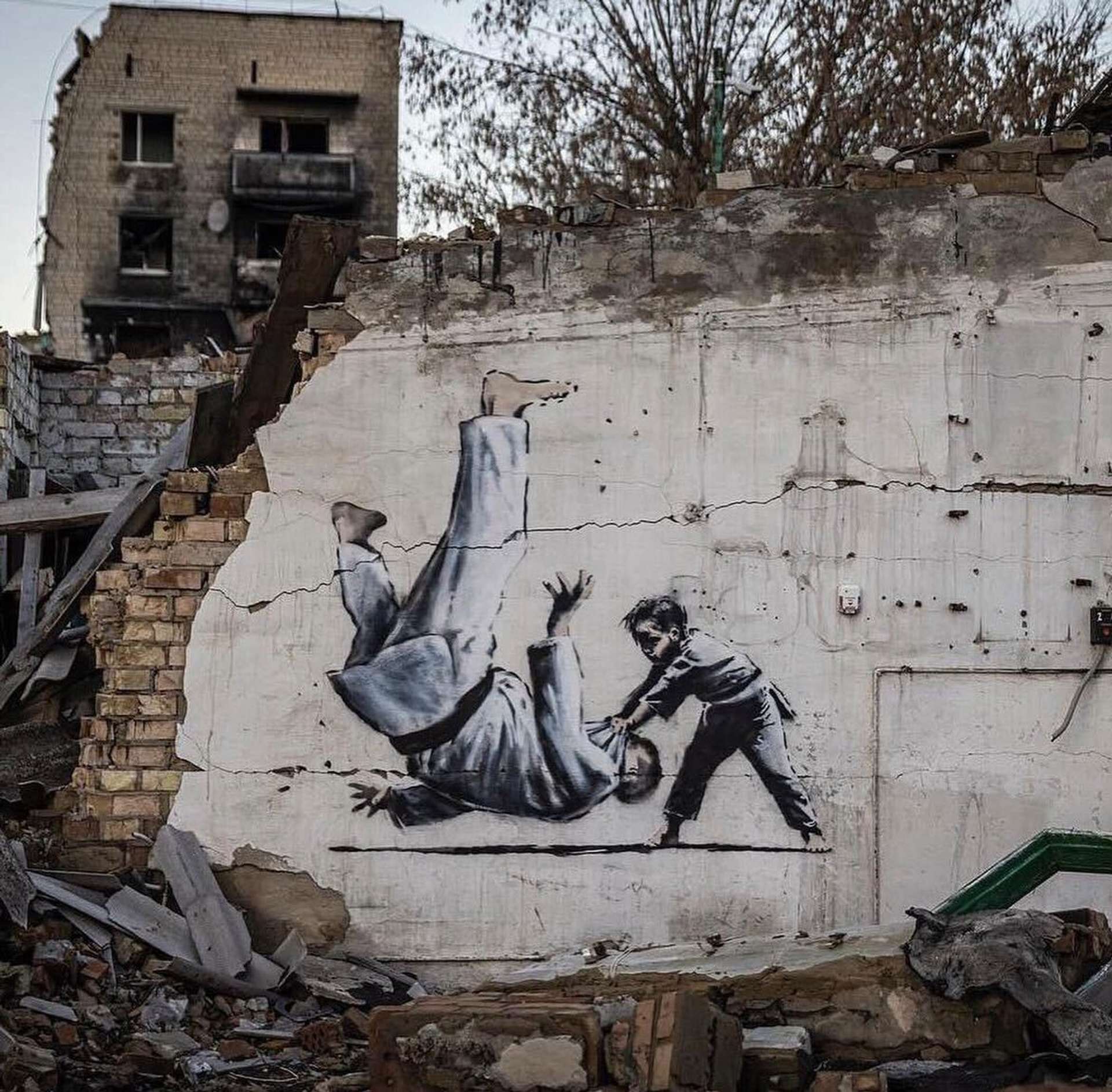
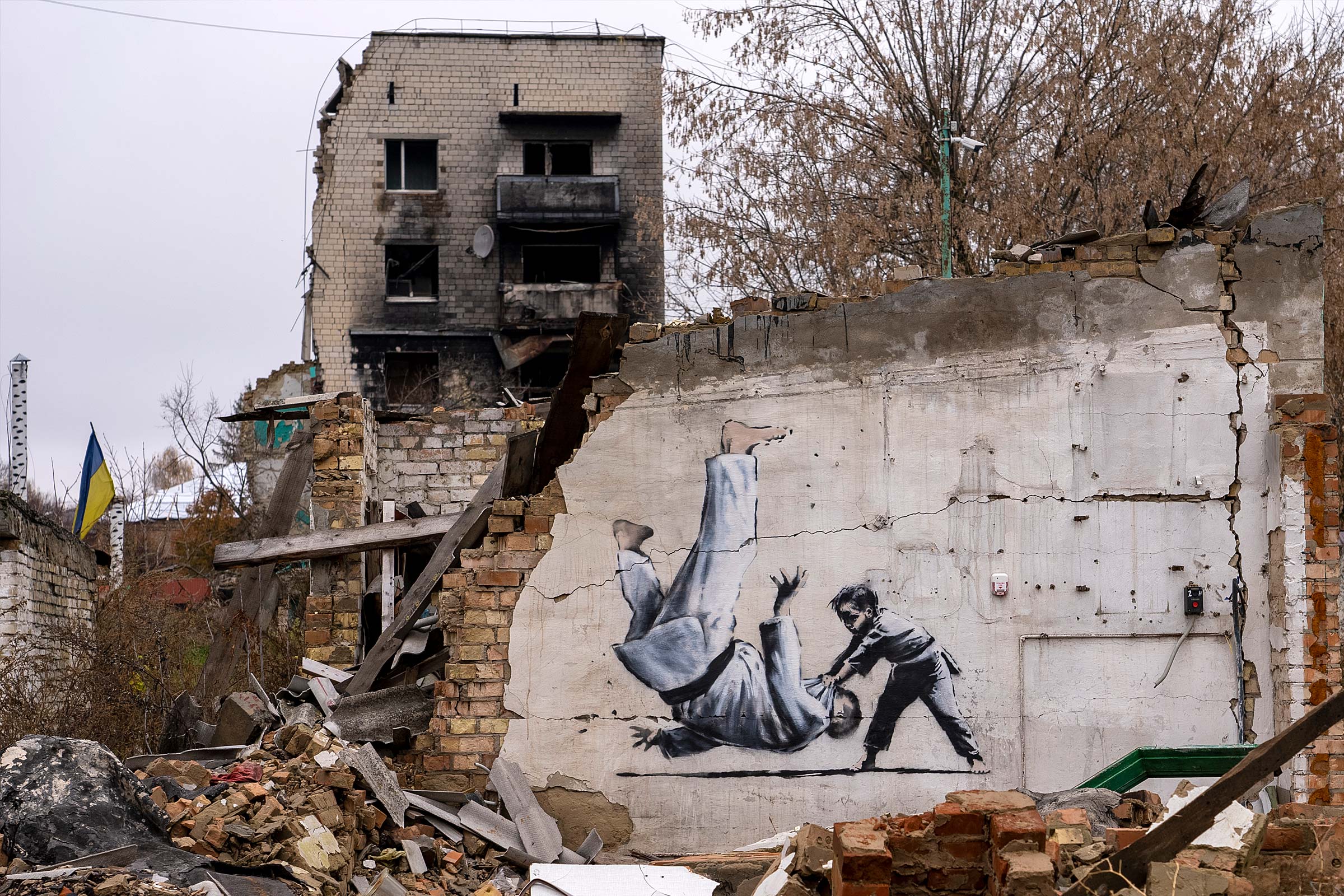
Another mural depicts a young boy throwing an adult man in a judo-style move, interpreted as a direct challenge to Vladimir Putin. Given that Putin was stripped of his judo title by the International Judo Federation, this interpretation carries considerable weight; it's clear Banksy intended a pointed message.
This connection transcends mere artistic expression, it is a deliberate political provocation. The use of judo imagery specifically targets Putin's background and authority. Street art, at its best, can be direct and confrontational, bypassing conventional channels of communication to reach audiences directly; Banksy's choice here exemplifies that approach.

Preservation and Public Debate
The emergence of these murals has sparked public debate in Ukraine about how they should be preserved for future generations. This is a complex challenge, given the fragile nature of street art and the precariousness of the environment in which they exist.
Do they remain as fleeting interventions on damaged buildings, subject to the elements and potential further destruction? Or are efforts made to protect them, potentially through relocation or replication, at the risk of losing their original context and impact? These are difficult questions, demanding careful consideration from both cultural authorities and the local community.
Banksy's Ongoing Practice
These murals in Ukraine fit within Banksy's established practice of utilizing art as a political weapon and demonstrating solidarity with those facing hardship. His interventions often appear during times of crisis, offering commentary and provoking reflection.
The Ukrainian murals are not isolated incidents but part of a broader pattern. They align with his history of using public space to address social injustice and political conflict, a continuation of his artistic mission. MyArtBroker's article details how he routinely uses this approach.

0 comments