

Someone decided a public utility box in Salford needed a fresh coat of obscenity. Now, it features a yellow Minion. It's a small change, but these interventions are part of something bigger: an effort to reclaim public space with humor and color.
Reporting via bbc.com sg.style.yahoo.com.
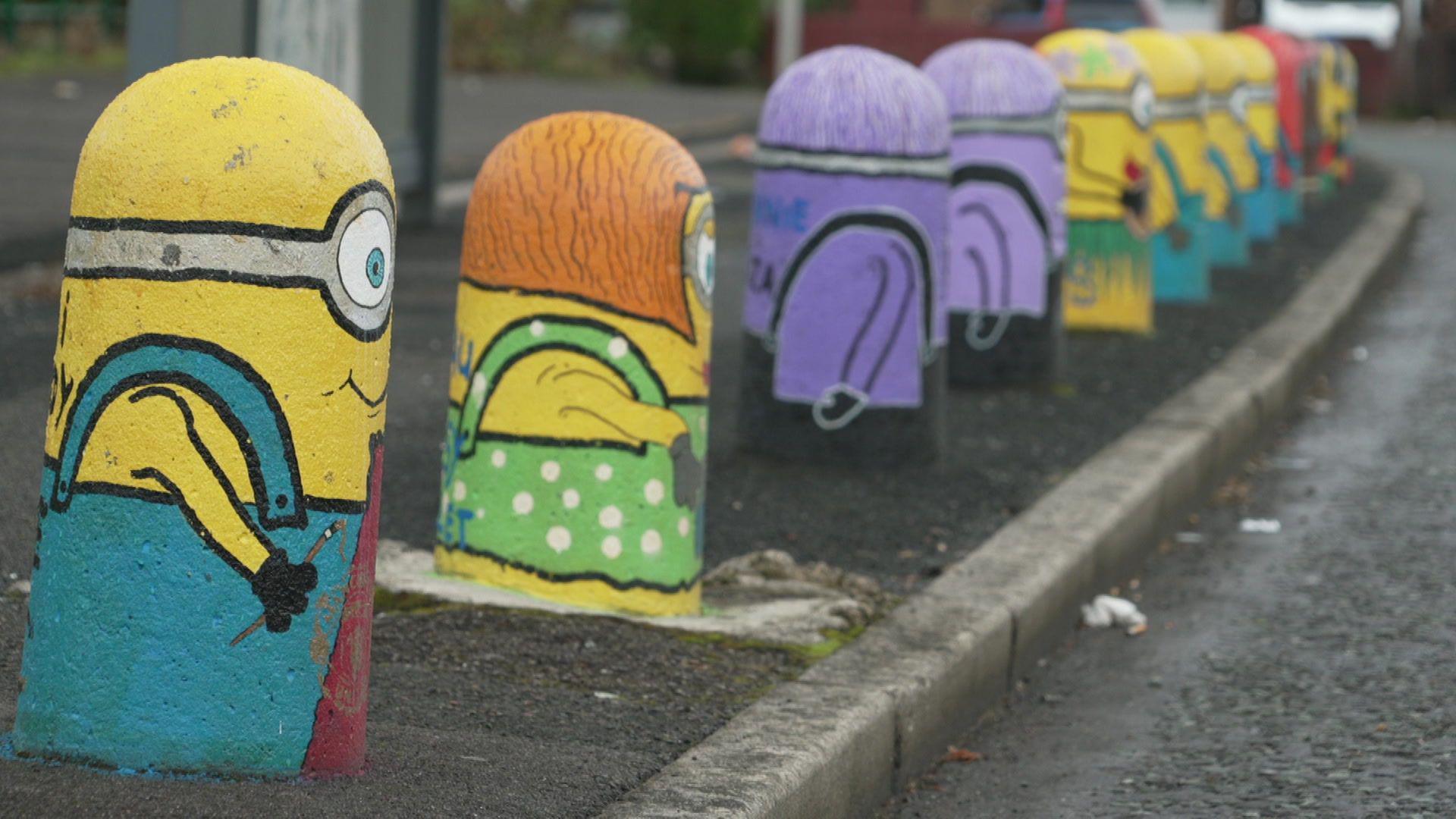
Martin Withers, known locally as 'Minion Man', is tackling unwanted graffiti in his community. He's moving beyond the initial act that earned him his moniker, transforming bollards into beloved cartoon figures. It's a straightforward response to an unwelcome reality, the blight of defacement on infrastructure.
From Bollards to Boxes: The Birth of Minion Man
The story began with brightly colored bollards as Withers initially gained fame by painting them to resemble characters from the Despicable Me films. This quickly earned him the nickname 'Minion Man', a moniker that stuck and perfectly encapsulated his playful approach to public art. The choice of Minions isn't arbitrary; they are instantly recognizable and appeal widely, especially to children.
This initial act of whimsical transformation demonstrated Withers' desire to add some joy to everyday environments. It established a pattern: taking something ordinary, a street fixture, and injecting it with unexpected charm. This willingness to subvert the mundane is fundamental to much of what's interesting about contemporary street art and urban interventions.
Cleaning Up Salford, One Cabinet at a Time
The shift from bollards to street cabinets came as Withers became increasingly aware of unwanted graffiti marring his local area. He decided to take action after witnessing the proliferation of swear words on these public utility boxes, recognizing their negative impact on the community's visual landscape.
His method is simple: cover offensive graffiti with cheerful cartoon characters. He's expanded his repertoire beyond Minions, incorporating The Simpsons and Tom and Jerry into his designs. These aren't acts of vandalism; they represent a direct response to existing unwanted markings, acting as a form of visual reclamation.
The Utility Company Connection
These green cable boxes are owned by BT Openreach, a communications company that supports community initiatives like Withers' work. This cooperation is key to the legality and longevity of his interventions; it avoids conflict with property owners and ensures that his art can remain in place.
The support from BT Openreach highlights a growing understanding among corporations about the value of engaging with local communities through creative means. It shows how businesses can actively contribute to improving urban environments, moving beyond simply maintaining infrastructure to fostering positive community engagement. This kind of collaboration is increasingly important for legitimizing and sustaining grassroots artistic efforts.

Beyond Yellow: Expanding the Universe
Withers isn't limited by a single character or style. He's created female versions of the Minion characters, demonstrating an ability to adapt and evolve his art. This willingness to experiment speaks to an ongoing desire to connect with a wider audience.
Perhaps most poignantly, he has produced a special Minion dedicated to the NHS after his diagnosis with epilepsy in 2019. This personalized tribute demonstrates how street art can be deeply personal, reflecting individual experiences and offering a heartfelt expression of gratitude.
Giving Back to Little Hulton
Martin Withers has lived in Little Hulton for over two decades and aims to give back to his local area through his art. This isn't just about aesthetics; it's rooted in a genuine desire to improve the quality of life for those around him.
His commitment is striking, reflecting a sense of responsibility and ownership towards his community. It's an example of how individuals can actively shape their surroundings through creative action, reinforcing the idea that public space isn't merely something to be endured but something to be celebrated and improved upon.

A Positive Impact on the Community
The response to 'Minion Man's work has been overwhelmingly positive. People appreciate his efforts to brighten up their surroundings and clean up graffiti, creating a sense of shared ownership and pride in the local area.
Withers himself acknowledges this positive feedback and says it makes him feel good to know that he's making a difference. It underscores the power of art to foster community spirit and create a more enjoyable environment for everyone.
Bringing Joy to Kids
Withers' choices aren't purely random; he consciously selects characters that will resonate with children saying he likes to give kids something positive. The Minions, Simpsons, and Tom and Jerry are all immediately recognizable and evoke feelings of nostalgia and fun.
This focus on engaging with younger audiences is a crucial element in the project's success. By creating art that appeals to children, Withers is not only beautifying the neighborhood but also inspiring creativity and fostering a sense of connection between art and community among future generations. It's a powerful example of how street art can serve as a tool for positive social impact.


0 comments