

The art world adores a mystery, and Banksy is the ultimate enigma. Emerging from Bristol, England, during the early nineties as a freehand graffiti artist, he honed his skills before transitioning to stencilling for greater efficiency. This shift allowed him to produce more works with speed and precision, fueling speculation that only adds to his legendary status. His work is political, provocative, and often aimed at institutions of power.
Reporting via en.m.wikipedia.org parisundercurrent.com.
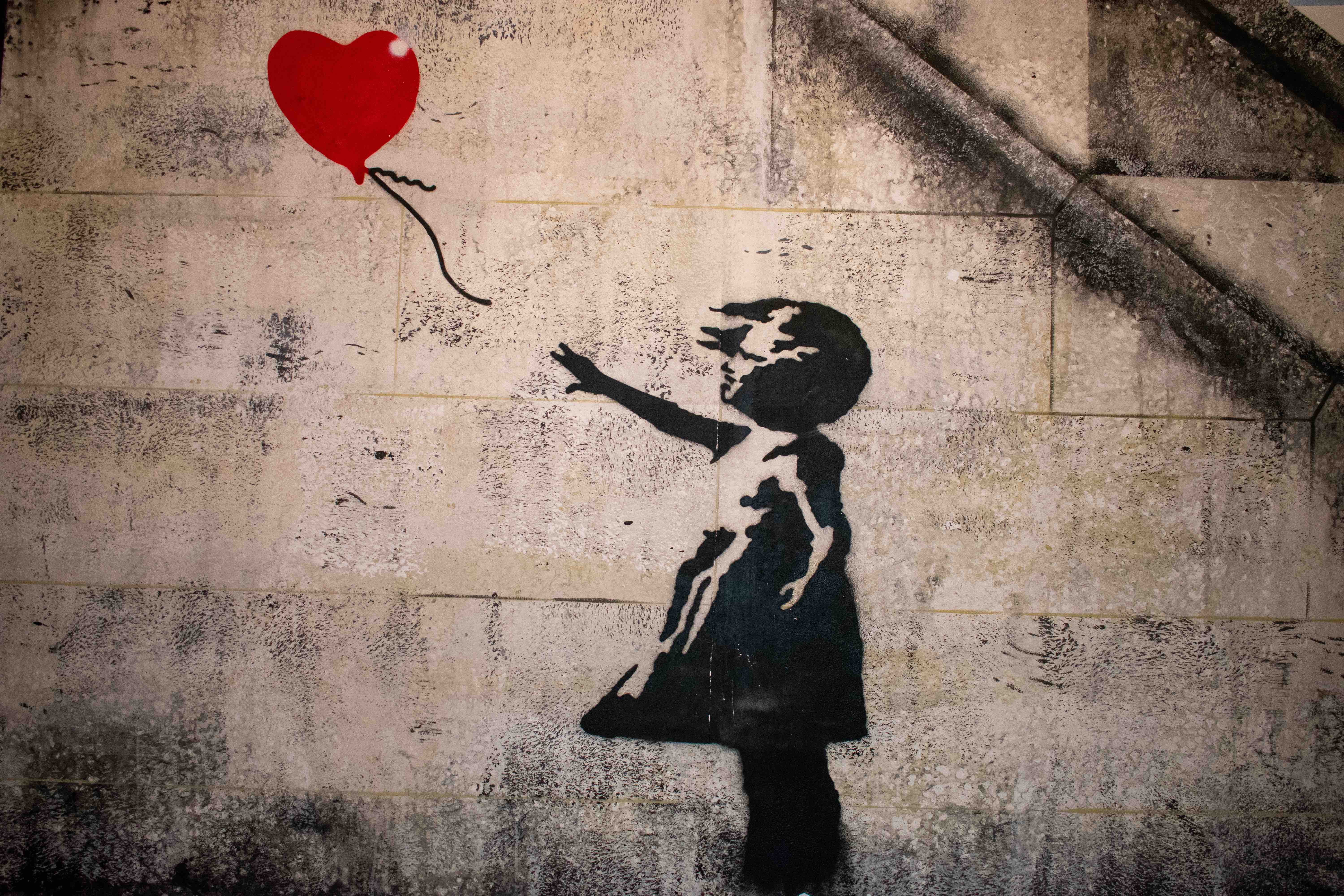
Banksy's appearance in Paris during June 2018 was an event; it coincided with intense socio-political discourse in France regarding immigration policies and national identity. These works, appearing unexpectedly across the city, immediately generated conversation, sparking debate and prompting viewers to confront uncomfortable truths about their own society. Banksy's presence added another layer of complexity to an already charged cultural climate, where art and activism collided.
Critiquing Superficiality
Near Porte de la Chapelle metro station stands a striking mural: a young girl attempting to conceal a swastika with pink wallpaper. This is not a celebration of innocence; it's a sharp critique of superficial attempts at masking deeply ingrained prejudices. The act of covering the symbol exposes the absurdity and inadequacy of simply painting over problems instead of addressing their root causes.
The choice of imagery is particularly potent in Paris, a city historically associated with both progress and periods of nationalistic fervor. This work speaks to the ongoing struggle to confront uncomfortable truths about history and societal biases. It's an intervention that demands introspection; it asks viewers to consider what lies beneath the surface of appearances.
Exploitative Practices Revealed
Near Sorbonne University, a mural depicts a suited man offering a bone to a dog while concealing a saw behind his back. This complex image symbolizes exploitative practices, highlighting how those in positions of power might offer superficial assistance while perpetuating harm. The concealed saw suggests hidden agendas and ulterior motives.
The location near Sorbonne University is deliberate; it places the critique within an academic setting, a space traditionally associated with intellectual inquiry and ethical considerations. This particular mural challenges viewers to scrutinize the intentions behind acts of charity or benevolence, questioning whether they truly serve the best interests of those involved.
Rats as Symbols of Resilience
Banksy's Paris murals frequently feature rats; these creatures represent a significant motif in his work. One mural depicts a rat brandishing a champagne bottle, symbolizing resilience and the enduring spirit of the underclass. The image carries an unmistakable tone of defiance.
Rats are often associated with urban decay and marginalization. By portraying one celebrating with champagne, Banksy elevates this symbol, transforming it into an emblem of survival and resistance in the face of adversity. This is a gesture that resonates deeply within Paris's working-class neighborhoods, offering a sense of solidarity and hope.
Echoes of 1968
Near the Centre Pompidou, a mural portrays a rat with a masked face wielding a utility knife. This imagery has been interpreted as referencing the 1968 Paris student protests, important centers of Situationist art and intervention as noted here. The masked rat embodies the anonymity and collective action characteristic of those protests.
The Centre Pompidou itself is a landmark associated with modern art and social change; placing this mural in its vicinity further strengthens the connection to the spirit of 1968. Banksy's work acts as a contemporary echo, reminding viewers of the power of collective action and artistic expression in challenging authority.
Tribute to Tragedy
Banksy painted a veiled, mournful female figure on an emergency exit door at the Bataclan concert hall. This is a poignant tribute to the victims of the 2015 terrorist attack that claimed many lives. The image captures grief and loss but also hints at resilience.
The Bataclan remains a place of profound significance for Parisians, representing both tragedy and community strength. Banksy's mural serves as a reminder of the importance of remembrance and the enduring power of art to offer solace and healing in the face of unimaginable pain. It is a visual memorial that transcends language.

Art as Resistance
Near Rue de Maistre, a mural portrays a rat holding a pencil, donning a beret, a classic symbol of French artistic identity. This image explicitly comments on freedom of expression and the power of art as a tool for resistance. The rat's posture suggests both creativity and defiance.
The pairing of the rat with traditional symbols of French culture creates a compelling juxtaposition; it implies that even those who are marginalized or overlooked can contribute to artistic innovation and social change. This mural serves as an encouragement for all voices, especially those often silenced, to find their own means of expression.
Defiance Amidst Adversity
Near Avenue de Flandre, a mural features a rat wearing a bandana and holding a box cutter, symbolizing defiance and the struggle for survival amidst adversity. The imagery evokes a sense of rebellion against oppressive forces.
The location in Avenue de Flandre, an area with a history of social challenges, further amplifies the message of resilience and resistance. Banksy's work provides a visual representation of those who fight to maintain their dignity and agency in difficult circumstances; it is a testament to the human spirit's ability to endure.
Finding Balance
Near Rue Maître Albert, a mural shows a rat standing on a bottle cap, an image that subtly references working-class attempts to find balance and stability in a precarious environment. The precariousness of the position suggests vulnerability.
This seemingly simple image encapsulates the daily struggles faced by many Parisians; it highlights the constant effort required to maintain equilibrium amidst economic uncertainty and social pressures. It's an observation of everyday life, rendered with Banksy's characteristic wit and insight.
Critiquing Commodification
Near Rue de Clignancourt, a mural features one of Banksy's signature rats adorned with a red polka-dot bow resembling Minnie Mouse's iconic accessory. This is an obvious critique of the commodification of culture, questioning the extent to which cultural symbols are exploited for commercial gain.
The juxtaposition of the street art rat, a symbol of rebellion and counterculture, with the sanitized image of a Disney icon highlights the contradictions inherent in contemporary society. Banksy challenges viewers to consider how consumerism can dilute and distort genuine artistic expression; it's a commentary on authenticity versus artificiality.


0 comments